
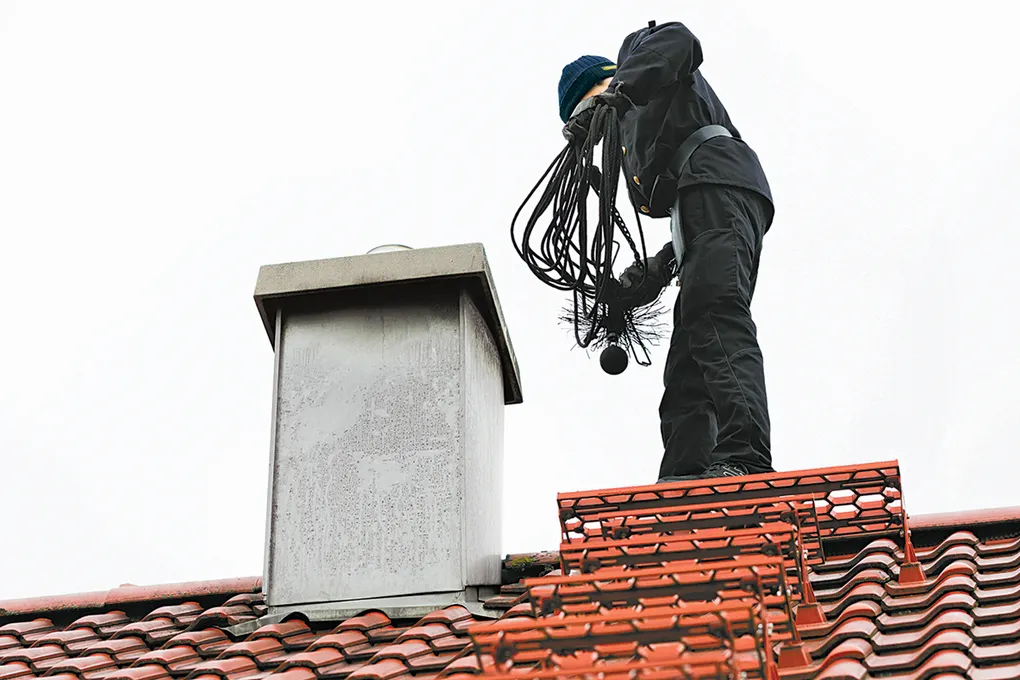
Commercial Venting Service for Breweries & Distilleries — DFW in DFW | Texas Chimney Experts
Texas Chimney Experts — DFW chimney & fireplace specialists. Free inspection, written quote, no surprise fees.
✅ CSIA Standards
🔧 Fully Insured
DFW brewery, distillery, or craft beverage operation with kettle exhaust, still venting, kiln stacks, or taproom kitchen NFPA 96 exhaust? Texas Chimney Experts runs process-venting programs that work around batch schedules and TTB-relevant documentation. Call ☎ (214) 444-8103 for a facility walk-through. Texas Chimney Experts handles this work across the Dallas-Fort Worth Metroplex following NFPA 211 standards. Free inspection, written quote, no surprise fees.
What’s actually involved
DFW craft beverage scene is in heavy growth — Deep Ellum, Trinity Groves, Lower Greenville, Fort Worth’s Near Southside, McKinney, Frisco, Plano, and Denton all have growing brewery and distillery counts. Each operation has process-venting requirements that conventional commercial-kitchen vendors don’t always understand. Texas Chimney Experts is the DFW chimney-specialist arm — every commercial scope is built on NFPA 211 (chimneys/vents), NFPA 96 (commercial kitchens), and IFC code references in the written quote.
Typical scope categories: brew kettle exhaust (steam venting from boil kettle — wet, sticky, requires materials that handle thermal cycling and humidity); still venting (distillery — high-temperature, high-volume vapor with ethanol content, NFPA 30 hazardous-class considerations on some setups); kiln stacks where applicable (malting operations, barbecue smokehouses adjacent to brewery taprooms); and taproom kitchen exhaust if F&B is part of the operation (NFPA 96).
Process venting differs from typical commercial kitchen exhaust: thermal cycling from batch operations, condensate management for steam-heavy applications, ethanol vapor classification under NFPA 30 for distillery work, and AHJ awareness — DFW jurisdictions are still developing institutional knowledge of brewery/distillery venting requirements, and the right documentation language helps inspections go smoothly.
What brewery/distillery operators care about: batch-aware scheduling (cleaning happens between batches, not during boil days; still maintenance happens between distillation runs), TTB-relevant documentation where federal compliance matters, taproom-facing scheduling (no service interruption during taproom hours), and a vendor who can speak the language of process operations. Chimney/flue specialty means we don’t subcontract the technical work. CSIA-trained techs, F-CSIA inspectors, IKECA-aligned process for kitchen exhaust. The code citation in the quote is what the AHJ wants to see.
Why this matters in DFW specifically
DFW craft beverage growth has outrun most local AHJs’ institutional experience with process venting — many fire marshals are still calibrating their approach to brewery and distillery operations. Texas state TABC and federal TTB compliance also add documentation layers. Our scope language is built to satisfy both AHJ + insurance + (where applicable) TTB-relevant maintenance records. We’ve worked enough DFW breweries to know which jurisdictions have experience and which ones need extra documentation walk-through.
Our process
- Facility walk-through — Call (214) 444-8103 — walk-through of brewhouse, still room (if distillery), taproom kitchen if applicable, and any specialty venting (kiln, smokehouse, etc.).
- Process-aware program proposal — Written program: cleaning cadence calibrated to batch volume, scheduling around batch days, taproom-hour considerations, AHJ + TTB-relevant documentation.
- Between-batch execution — Cleaning happens during downtime between batches (typically off-day or pre-batch morning). Still maintenance scheduled between distillation runs. Taproom kitchen on standard NFPA 96 cadence per cooking volume.
- Documentation + AHJ coordination — Photo logs, written reports, AHJ-ready packet, TTB-relevant maintenance records where applicable. We coordinate with AHJ when fire marshal needs walk-through context for process equipment.
- Emergency dispatch on contract — Mid-batch venting failure, taproom kitchen exhaust issue during service, still leak or stack issue — contract response per SLA.
Materials and standards
Brewery/distillery program built on NFPA 96 (commercial cooking exhaust — applies to taproom kitchens and some kettle setups), NFPA 211 (chimneys/vents), NFPA 30 (Flammable and Combustible Liquids Code — distillery still venting where applicable), NFPA 86 (Standard for Ovens and Furnaces — kiln/process-heat applications), IFC, and TTB-relevant documentation formats for federally-regulated production operations. DFW commercial market ranges. All scopes priced against current NFPA/IFC versions — code-update repricing happens at contract renewal, not mid-cycle.
Pricing ranges (DFW, 2026)
Real DFW market ranges. Your actual quote depends on access, scope, and what we find on inspection — every job is quoted in writing before work begins.
| Service | Typical Range |
|---|---|
| Brewhouse kettle exhaust cleaning (per visit) | $485– $– + |
| Still venting maintenance (per visit) | $485– $– + |
| Quarterly process-venting program | $2,400– $– +/yr |
| Taproom kitchen NFPA 96 cleaning (per visit) | $385– $– + |
| Annual stack/duct inspection | $285– $– + |
| Major repair / re-ducting | Quoted per project |
| Emergency dispatch (contract) | Included in SLA |
Frequently asked questions
Can you schedule around our batch days?
Yes — that’s central to how we run brewery/distillery engagements. Cleaning happens off-batch days or pre-batch morning. Major maintenance scheduled during planned downtime. Still work between distillation runs.
Do you understand the difference between brewery kettle exhaust and a typical kitchen hood?
Yes. Boil kettle exhaust is steam-heavy with hop/wort residue — different deposit profile from grease, requires different cleaning approach and different duct material considerations. We don’t run a generic kitchen-cleaning playbook; we run a brewery-specific one.
What about distillery still venting and NFPA 30?
Distillery operations involving ethanol vapor production have NFPA 30 (Flammable and Combustible Liquids Code) considerations on some setups. We assess the venting design against NFPA 30 + AHJ requirements, document accordingly, and coordinate with AHJ where the inspector needs context.
Do you provide TTB-relevant documentation?
Where federal TTB compliance touches venting/maintenance documentation (less common but does happen for production-scale distilleries), we provide records aligned to the format your TTB compliance contact needs.
Can you handle the taproom kitchen too?
Yes — NFPA 96 cleaning per cooking volume. One vendor for both process venting and taproom kitchen, one report, one point of contact.
How do you handle a brewpub with a smokehouse?
Smokehouse exhaust is solid-fuel + grease + creosote — combination deposit profile. Cleaning cadence is typically tighter than typical kitchen exhaust (NFPA 96 specifies monthly for solid-fuel). We’ve worked enough DFW BBQ-and-brewery operations to know what’s required.
What if the AHJ doesn’t have brewery experience?
We provide context documentation — code references, equipment specifications, comparable-installation references — to help the AHJ make informed decisions. Most DFW jurisdictions are receptive when the vendor brings the technical context.
Related services
Ready to schedule?
Call (214) 444-8103 for commercial venting service for breweries & distilleries — dfw across DFW, or use our contact form for email. Same-week scheduling for most calls.
Our Sister Companies — Specialists in Related Services
Texas Service Experts is part of a network of CSIA-certified chimney specialists. Depending on your specific need:
- Texas Service Experts — general chimney sweep/inspection
- Prime Chimney Experts — multi-state national service