
Chimney Cap
Flue termination measured, then a stainless or copper cap fitted to NFPA 211.
Learn moreEvery fireplace is governed by its own listing, and that document is the standard we install and repair to — wood, gas (vented or vent-free), or electric. Hearth, surround, and venting are sized to spec, listed clearances to combustibles held, and any gas-line work pressure-tested per IFGC. We commission the appliance through a full cycle and, on gas, confirm a clean combustion and leak-test before it goes in service — the install isn't done until it's verified against the listing.
Prices shown are starting estimates and may change with the condition, access, and scope we find on site. Only a written quote from an on-site visit is a price we commit to.
The combustion chamber, lined with firebrick rated to 2,000°F+.
Drag the model to rotate — see exactly where this component lives in your chimney.
Installing a gas fireplace is where good craftsmanship is invisible and bad craftsmanship is permanent. The unit you see is the easy part; the venting geometry, the gas-train sizing, the framing clearances, and the termination placement are what decide whether you get twenty quiet years of clean heat or a callback every winter. Texas Chimney Experts installs gas fireplaces and direct-vent inserts as a national specialty, and we hold the same engineering discipline whether the job is a builder-grade insert or a wide linear ribbon-burner meant to anchor a room.
The work begins on paper, with a load-and-venting plan, before a tool comes out. Direct-vent and sealed-combustion units are made or broken by the vent run — every elbow, every foot of rise, every inch of horizontal travel shifts the restrictor-plate setting and the draft. We size the coaxial or co-linear pipe to the install manual's vent table, set the flue restrictor to the elevation and run length, and select a termination — flush, snorkel, or high-wind hood — that won't nuisance-trip in a gusty location. Engineering this correctly up front is why our installs burn clean from the first light instead of being "tuned" across three seasons.
The gas side is sized and tested, never improvised. We match the flex connector and CSST to the appliance BTU load, fit the code-required sediment trap ahead of the shutoff, add the bonding clamp on corrugated stainless tubing, and manometer-pressure-test the entire drop before flame is ever introduced. An insert dropping into an existing masonry firebox gets a dedicated, correctly-sized liner run from the appliance collar to the cap — a true positive connection — rather than being vented into an open flue that condenses and back-drafts. That one decision is the most common line between a properly engineered install and a cheap one.
Framing and finish are held to the same measured standard. Zero-clearance and ventless fireboxes are framed to the manufacturer's combustible clearances exactly — never shaved — and the hearth extension and surround meet code projection. We seal the glass front and its barrier gasket so the unit holds its negative-pressure draft, fit the surround and louvers cleanly, and install the ASTM F2972 barrier screen wherever the listing requires it. Commissioning closes the job: manometer-verified inlet and manifold pressure, high-low flame-height calibration set, blower and snap-disc run, and an ambient CO check taken during operation.
The range we install covers it all — direct-vent sealed inserts, vent-free fireboxes with ODS-protected log sets, see-through and two-sided units for room dividers, freestanding direct-vent gas stoves, and linear contemporary fireplaces with glass or fire-glass media. The controls homeowners actually ask for are handled too: thermostatic remote and receiver kits, millivolt wall thermostats, smart Wi-Fi modules, and battery-backup packs so the unit still lights through an outage.
What a documented installer delivers isn't just the appliance set in place — it's the verified record that it was sized, vented, gassed, and commissioned by someone who reads the manual as the floor, not the suggestion. We document the venting plan and the commissioning readings, leave the install clean, and stand behind the numbers. A gas fireplace should be the warmest, quietest, most reliable thing in the room — and provably so.
At Texas Chimney Experts, a fireplace services is never guesswork. We scope every job from a graded, photographed inspection first — the NFPA 211 level the evidence calls for — so the work is matched to what your flue and masonry actually need, with the report to prove it. The documented inspection is the record the fireplace services is built on.
Chimney inspectionWood, gas, or electric, sized to the room and the budget.
We handle municipal permits, gas-line approvals, inspections.
Appliance, hearth, surround, venting — all code-compliant.
An NFI specialist signs off, the final inspection passes, and you are set.
We've worked on 1,000+ DFW homes over 10+ years. Every job — small sweep or full rebuild — runs the same way: certified technicians, written quotes, photo reports, warranty in writing.
NFI-specialist signs off every gas install
Wood, gas, electric — all three platforms
Hearth + surround installation included
Gas-line work licensed + permitted (we pull permits)
Family-owned, CSIA-certified, NFPA 211–compliant. We're the team you call when you want it done right the first time — no rotating subcontractors, no upsell pressure, no surprises. Same techs, same trucks, same standard.
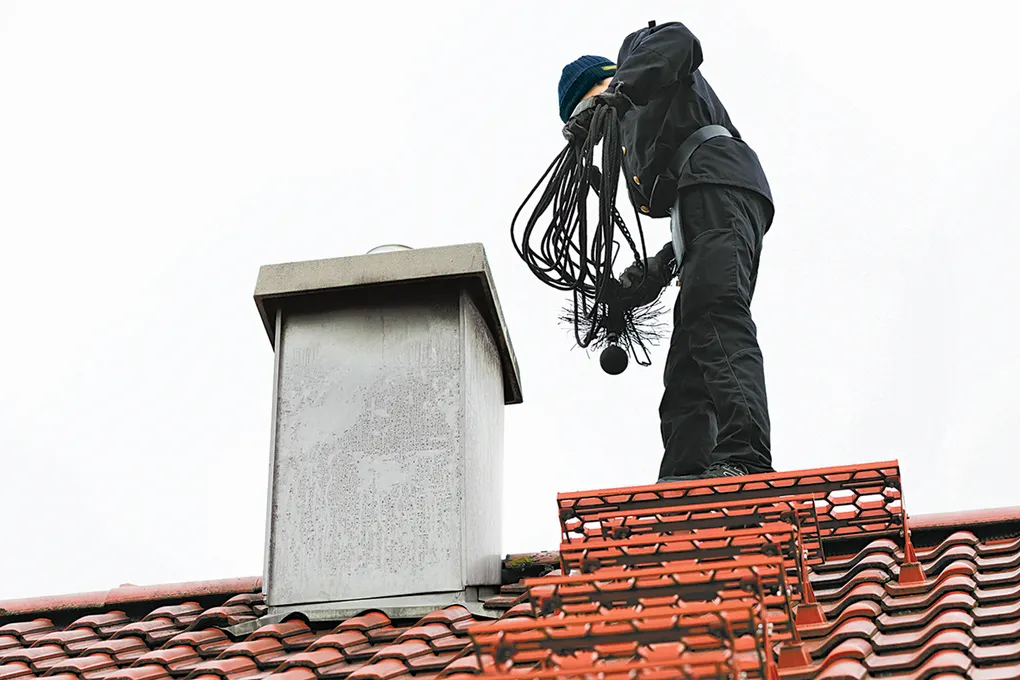
The standard is condition-driven, not calendar-driven: NFPA 211 ties cleaning to a measured 1/8" of creosote accumulation, and a Level 1 inspection is the way we confirm you've reached it. For a wood-burning fireplace in regular use that typically lands at once per heating season — but we measure the buildup and tell you what the flue actually shows rather than assuming.
Yes — and verifiably so. Our inspectors hold current CSIA (Chimney Safety Institute of America) certifications you can confirm yourself in the CSIA member directory at csia.org, and our fireplace work is handled by NFI specialists. We name the standard we inspect to so you can check the credential behind the report.
Yes. We respond 24/7 (subject to crew availability) to the situations that can't wait for a diagnosis later — an active water leak into the home, an animal trapped in the flue, post-fire hazards, and storm damage. We make the system safe first, then document the cause; same-day in most cases.
Always — and with the evidence attached. Before any work starts you receive a written quote backed by photos of exactly what we found and why it needs attention. Final pricing follows the documented condition of the chimney and anything the inspection turns up, not a number guessed before we've looked.
Flue Watch is our annual maintenance plan at $19.99/month ($240/year): a documented Level 1 inspection and sweep every year ($248 value), priority scheduling, 10% off all repairs, and emergency-response priority. It's the way to keep a year-over-year record of your system's condition. Cancel anytime, no contract.
Last reviewed:
Other services in the Installation category.
Free written quote. Same-week scheduling. 24/7 emergency response when you need it.
Active leak, animal in flue, post-fire damage, or smoke event? Real humans on the line 7 AM to 12 AM every day — replies in under 2 minutes. Tech dispatch within 2 hours during business hours, subject to crew availability after-hours.
Emergency line