
Chimney Cap
Flue termination measured, then a stainless or copper cap fitted to NFPA 211.
Learn moreOffsets, bends, or an odd cross-section that a rigid liner can't pass call for a flexible stainless system, and the alloy is chosen to the fuel: 316Ti for solid fuel, 304 for gas. We CCTV-scan the flue to confirm the geometry, install to UL-1777 sized to the appliance, then re-scan the finished run end to end so the corrected liner is documented on camera. Lifetime-warrantied and verified — the scan is the proof the run is sound.
Prices shown are starting estimates and may change with the condition, access, and scope we find on site. Only a written quote from an on-site visit is a price we commit to.
This is a material decision, not a separate service: when a flue needs a liner, should it be the flexible corrugated stainless tube or a rigid one? Flexible is the answer precisely when geometry defeats rigid pipe — an offset or 'dogleg' in the stack, an elbow at the smoke chamber, an out-of-round or shouldered clay tile, or a tight throat a stiff length can't be fed through. The corrugation lets the liner bend through the turns and compress through the pinch points while still sealing as one continuous channel. Where relining is the broader decision to replace a failed liner and may end in flexible, rigid, or cast-in-place, this is specifically the flexible option, chosen on geometry and appliance, whether the flue is being relined or lined for the first time.
Choosing flexible is a measurement before it's a purchase. The flue is camera-scoped and every offset, elbow, and dimensional pinch mapped, then the call is whether flexible is required (rigid won't pass) or merely preferred. Where rigid would pass a straight, accessible flue, we say so — rigid has smoother walls and marginally better draft, so flexible is never the default sell. A tight throat gets an oval-profile flexible liner of equal cross-sectional area so it passes where a round one won't. Alloy still tracks the fuel — 316Ti stainless for wood, oil, coal, or high-sulfur fuels, 304 where the fuel allows — because a flexible liner in the wrong alloy corrodes exactly as fast as any other.
Flexible is also the natural match for appliance venting, which is much of why the type exists. Dropping a liner from a gas or wood fireplace insert to the appliance collar nearly always means negotiating the offset between the flue and the insert's outlet, and flexible makes that positive, full-length connection where rigid would bind — never a non-connected 'slammer.' Venting a stove or high-efficiency appliance through an existing masonry chimney is the same geometry problem, and the flexible tube solves it. Because corrugation slightly slows draft and runs cooler, a liner-insulation wrap goes on for solid-fuel and many appliance installs — it holds flue temperature up for draft, keeps creosote down, and maintains clearance to combustibles where the run passes near framing.
Installation is geometry-aware top to bottom: the liner is fed from above, eased through each offset rather than forced, insulated or pour-mixed as required, and locked to positive top-plate and appliance-collar connectors so the corrugated run is gas-tight end to end. Then it's proved — a smoke or draft check confirms the sealed path, and the UL-1777 listing is documented for your records and any warranty, which on flexible liners is typically conditional on annual sweeping. Unlike flue installation, which often builds a brand-new straight flue where smooth clay or rigid is the better first-time choice, flexible is the retrofit answer for an existing crooked flue rigid can't follow. The same scoping, alloy-matching, and insulation discipline governs every flexible-liner install across our national network.
At Texas Chimney Experts, a flexible chimney liner installation is never guesswork. We scope every job from a graded, photographed inspection first — the NFPA 211 level the evidence calls for — so the work is matched to what your flue and masonry actually need, with the report to prove it. The documented inspection is the record the flexible chimney liner installation is built on.
Chimney inspectionA flexible chimney liner installation isn't a matter of opinion — it's held to published national standards. Texas Chimney builds every job to the named codes below and documents it, so the work is provably right for an inspector, an insurer, or a future buyer. These are the universal standards; your city's permit and inspection requirements are confirmed with the local authority before we pull the job.
Our flexible stainless liners are UL-1777 listed lining systems, certified for the application and documented for inspection, and we install per the manufacturer's instructions because that is the only condition under which the listing holds.
Fuel dictates the alloy. Wood, oil, coal, and high-sulfur fuels call for 316Ti stainless, and 304 serves where the fuel allows it; put the flexible material in the wrong alloy and it corrodes early and voids the warranty.
Through the flue's offsets and elbows, the flexible liner is eased, never forced, and always kept within the manufacturer's listed bend radius. That handling protects the corrugated wall from kinks and tears in the exact spots a rigid liner could not pass at all.
Insulating the flexible liner is standard on solid-fuel and many appliance installs, for two documented reasons: it holds flue temperature so the system drafts, and it maintains clearance to combustibles where the run passes near framing, at 2 in interior masonry / 1 in exterior per the IRC.
Codes cited are the established national standards (NFPA, UL, IRC) that govern this service. The adopted code edition, permit, and inspection requirements vary by city —Texas Chimney verifies them with your local authority having jurisdiction on every job.
Camera-map every offset, elbow, and pinch point to confirm flexible is what the flue requires, or that rigid would in fact do.
Match diameter, round or oval, and alloy to the appliance and fuel, then settle whether it gets insulated.
Feed from the top down through the bends, insulate the run, and lock positive top-plate and collar connectors.
Draft and smoke check plus UL-1777 documentation for your file and your warranty.
We've worked on 1,000+ DFW homes over 10+ years. Every job — small sweep or full rebuild — runs the same way: certified technicians, written quotes, photo reports, warranty in writing.
Threads past the offsets, elbows, and out-of-round tile that stop a rigid liner cold
The liner alloy and profile matched to gas or wood inserts and high-efficiency venting
UL-1777 listed flexible stainless — transferable lifetime warranty
Insulated and oval-profile choices for flues that run tight, crooked, or solid-fuel
Family-owned, CSIA-certified, NFPA 211–compliant. We're the team you call when you want it done right the first time — no rotating subcontractors, no upsell pressure, no surprises. Same techs, same trucks, same standard.
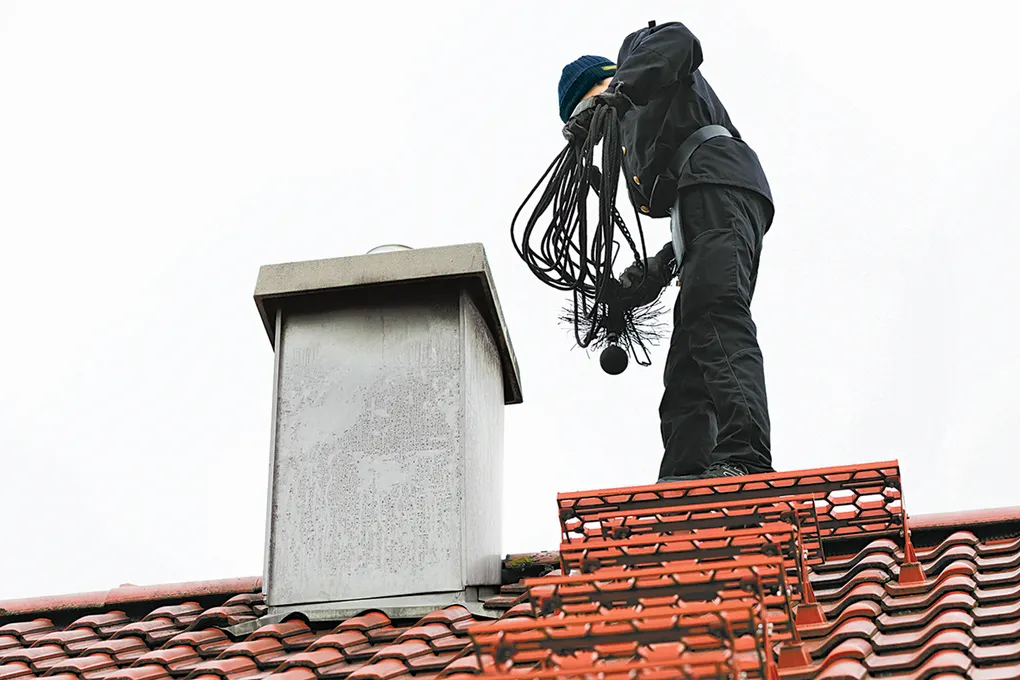
The standard is condition-driven, not calendar-driven: NFPA 211 ties cleaning to a measured 1/8" of creosote accumulation, and a Level 1 inspection is the way we confirm you've reached it. For a wood-burning fireplace in regular use that typically lands at once per heating season — but we measure the buildup and tell you what the flue actually shows rather than assuming.
Yes — and verifiably so. Our inspectors hold current CSIA (Chimney Safety Institute of America) certifications you can confirm yourself in the CSIA member directory at csia.org, and our fireplace work is handled by NFI specialists. We name the standard we inspect to so you can check the credential behind the report.
Yes. We respond 24/7 (subject to crew availability) to the situations that can't wait for a diagnosis later — an active water leak into the home, an animal trapped in the flue, post-fire hazards, and storm damage. We make the system safe first, then document the cause; same-day in most cases.
Always — and with the evidence attached. Before any work starts you receive a written quote backed by photos of exactly what we found and why it needs attention. Final pricing follows the documented condition of the chimney and anything the inspection turns up, not a number guessed before we've looked.
Flue Watch is our annual maintenance plan at $19.99/month ($240/year): a documented Level 1 inspection and sweep every year ($248 value), priority scheduling, 10% off all repairs, and emergency-response priority. It's the way to keep a year-over-year record of your system's condition. Cancel anytime, no contract.
Last reviewed:
Other services in the Installation category.
Free written quote. Same-week scheduling. 24/7 emergency response when you need it.
Active leak, animal in flue, post-fire damage, or smoke event? Real humans on the line 7 AM to 12 AM every day — replies in under 2 minutes. Tech dispatch within 2 hours during business hours, subject to crew availability after-hours.
Emergency line