
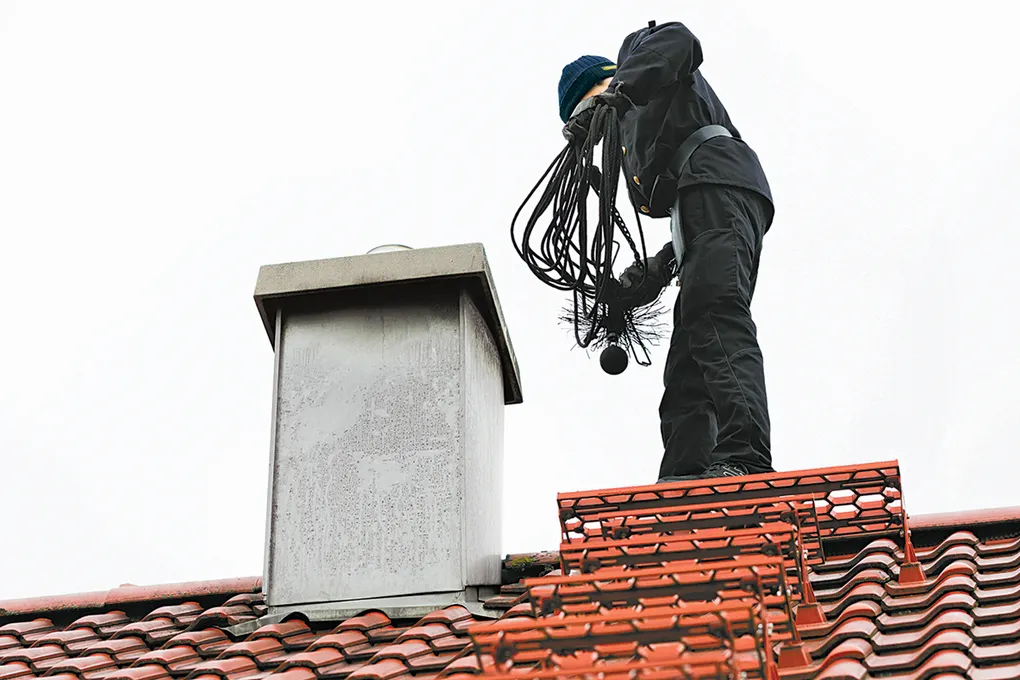
 Highland Park (Pre-1950 Homes) in DFW | Texas Chimney Experts" loading="eager" / fetchpriority="high" decoding="async">
Historic Chimney Restoration in Highland Park (Pre-1950 Homes) in DFW | Texas Chimney Experts
Texas Chimney Experts — DFW chimney & fireplace specialists. Free inspection, written quote, no surprise fees.
Historic chimney restoration in Highland Park (pre-1950 homes) from Texas Chimney Experts. Highland Park (Pre-1950 Homes) homes (1908–1950) were built with soft lime mortar, soft-fired clay brick, and clay flue tile — a chimney typology that modern hard portland mortars and standard liners actively damage. We bring preservation-grade scope, period-appropriate materials, and the documentation packet your preservation board expects to see. Free inspection. Call ☎ (214) 444-8103. Texas Chimney Experts handles this work across the Dallas-Fort Worth Metroplex following NPS Preservation Brief #2 standards. Free inspection, written quote, no surprise fees.
What’s actually involved
Highland Park (Pre-1950 Homes): Town of Highland Park does not have a city-level historic district commission, but the town’s Architectural Review Board reviews exterior changes and many original early-20th-century homes are subject to deed restrictions and HOA-equivalent scrutiny. Several Highland Park properties are individually listed on the National Register. High-end Mediterranean, Spanish Colonial Revival, Tudor, Georgian, and Colonial Revival estates by architects including Hal Thomson, Anton Korn, and Charles Dilbeck. Chimneys are often architect-designed feature elements — multiple flues, decorative brick patterning, custom limestone or cast-stone caps, and elaborate crowns.
Chimney typology in Highland Park (Pre-1950 Homes): Multi-flue stacks (3, 4, sometimes 5 flues serving multiple fireplaces, a boiler, and a wood-fired oven). Mortar mixes vary by builder; the pre-1925 estates use lime-putty mortar that is incompatible with modern repair products. Original flue tiles are often custom rectangular dimensions that no off-the-shelf modern liner fits. This is exactly the construction profile that NPS Preservation Brief #2 was written to protect — soft brick, soft mortar, breathable assemblies. Apply modern Type-N or Type-S portland mortar to this typology and the brick face spalls off within 3-7 DFW winters; apply the correct lime-putty Type-O or Type-K per ASTM C270, and the chimney lasts another 50-100 years.
Preservation board navigation for Highland Park (Pre-1950 Homes): Town of Highland Park Building Inspections + Architectural Review Board (ARB) for exterior modifications. ARB review typically required for chimney crown, cap, or visible masonry work. Typical CA approval timeline: ARB review: 3-6 weeks depending on scope. Routine in-kind repointing often does not require formal ARB review (we confirm jurisdictionally before scoping). We prepare the entire CA packet — annotated photos, mortar analysis (we can pull ASTM C270 samples for lab analysis of original mix ratio if the board requires it), proposed materials specs citing NPS Brief #2 and ASTM C270, work-method statement, and timeline. The owner signs and we file.
Why we work Highland Park (Pre-1950 Homes) specifically: Highland Park property values mean restoration-quality work is the only acceptable standard. We bring custom-mixed mortars, hand-shaped brick replacements, and cast-in-place liner systems (Solid/Flue and equivalent) for original rectangular flue dimensions. Insurance underwriters on $5M+ Highland Park homes will require documented preservation-grade work; we provide the documentation packet. The work also has documentation value beyond the immediate repair: insurance underwriters on high-value historic properties want preservation-grade work documented; future buyers want to see the historic restoration paperwork during due diligence; and any future preservation-board interaction is easier when there is a paper trail of compliant prior work.
Why this matters in DFW specifically
DFW’s clay-soil expansion-contraction cycles, freeze-thaw winters, and spring hailstorms create a chimney-failure pattern unique to the region. Highland Park (Pre-1950 Homes) chimneys (1908–1950) sit on original footings designed before modern soil-engineering practice, which means stair-step mortar cracks from soil movement are normal and expected — not a structural emergency, but a sign that the joints have done their job (sacrificially absorbing movement) and now need re-pointing. Modern hard mortar traps that movement in the brick instead of the joint, and the brick fails. The right approach in Highland Park (Pre-1950 Homes): soft mortar, allow the joints to keep absorbing movement, re-point on a 20-30 year cycle, and the original chimney lasts indefinitely.
Our process
- Documentation photo inventory ($1,500 inspection) — On-site visit captures 40-60 photos of the Highland Park (Pre-1950 Homes) chimney exterior, interior firebox, full flue (Level 2 video), crown, cap, mortar joint condition, and any visible damage. Photos become the baseline for preservation-board submittal and the before-photo set for insurance and historic-tax-credit documentation.
- Preservation board jurisdictional check + CA preparation — We confirm with the relevant Highland Park (Pre-1950 Homes) board what scope requires CA. If yes, we prepare and submit the CA packet (annotated photos, materials spec citing NPS Brief #2 and ASTM C270, work-method statement). Owner signs and we file.
- Soft-mortar repointing per NPS Brief #2 + ASTM C270 — We rake failed joints to 2-2.5x joint width (NPS-recommended), pre-wet the brick to prevent flash-drying, and re-point with a custom-matched lime-putty mortar (Type-O or Type-K) tinted to match the original. Mortar cures slowly (2-3 weeks damp cure) to a compressive strength softer than the surrounding brick.
- Period-appropriate cap and crown — For Highland Park (Pre-1950 Homes), period-appropriate cap is typically limestone, cast-stone, copper shroud, or terra-cotta chimney pot — not modern stainless. We restore the original where intact; fabricate a matching replacement where damaged.
- Original flue restoration vs. discreet liner — Path 1: restore the original clay flue with replacement tiles matching the period dimensions. Path 2: install a stainless or cast-in-place liner inside the original flue (concealed behind the period cap so it isn’t visible from the ground). Both paths documented for the preservation board.
Materials and standards
All Highland Park (Pre-1950 Homes) restoration work follows NPS Preservation Brief #2 (Repointing Mortar Joints in Historic Masonry Buildings), NFPA 211 (Standard for Chimneys, Fireplaces, Vents, and Solid Fuel-Burning Appliances), ASTM C270 (Type-O and Type-K mortars for historic work), and EPA RRP lead-safe work practices on pre-1978 painted surfaces. We carry general liability + workers’ comp insurance and are EPA RRP-certified.
Pricing ranges (DFW, 2026)
Real DFW market ranges. Your actual quote depends on access, scope, and what we find on inspection — every job is quoted in writing before work begins.
| Service | Typical Range |
|---|---|
| Documentation inspection in Highland Park (Pre-1950 Homes) | $1,500 |
| Preservation-board CA packet preparation + filing | $650– $– + |
| Soft-mortar repointing (lime-putty Type-O or Type-K) | $4,500– $– + |
| Original clay flue tile replacement (per linear foot) | $185– $– + |
| Stainless steel liner (concealed behind period cap) | $3,200– $– + |
| Cast-in-place liner (Solid/Flue or equivalent) | $5,500– $– + |
| Period cap restoration (limestone / cast-stone / copper) | $1,800– $– + |
| Chimney pot restoration or reclaimed-pot install | $1,200– $– + |
| Crown rebuild (cast-stone, breathable) | $1,800– $– + |
| Full historic restoration (multi-element scope) | $8,500– $– + |
Frequently asked questions
Does Highland Park (Pre-1950 Homes) require preservation-board approval for chimney work?
Town of Highland Park Building Inspections + Architectural Review Board (ARB) for exterior modifications. ARB review typically required for chimney crown, cap, or visible masonry work. Typical timeline: ARB review: 3-6 weeks depending on scope. Routine in-kind repointing often does not require formal ARB review (we confirm jurisdictionally before scoping). Routine sweeping and interior firebox work usually do not require approval. Tuckpointing, crown rebuild, cap replacement, and any visible exterior masonry change usually do. We confirm with the board before scoping.
Why won’t standard modern mortar work on my historic chimney?
Modern Type-N portland mortar has a compressive strength of 750-2,000 psi; Type-S is 1,800-3,500 psi. Your historic brick is 1,500-3,500 psi with high vapor permeability. The mortar joint must be softer and more permeable than the brick so thermal expansion and moisture happen through the joint (re-pointable), not through the brick (not replaceable). Modern hard mortar traps moisture in the brick, which freezes in DFW winters and spalls the brick face off within 3-7 winters. Lime-putty Type-O or Type-K mortar (200-750 psi) is the correct match per NPS Preservation Brief #2.
Can I get a historic tax credit for restoring my Highland Park (Pre-1950 Homes) chimney?
Federal credit (20%) applies only to income-producing properties. Texas state credit (25%) also requires income-producing use. Fort Worth specifically offers a Historic Site Tax Exemption that can offset 100% of city property taxes for 10 years on qualifying restoration of contributing structures in Fort Worth historic districts. Dallas does not currently offer an equivalent residential exemption, but documented preservation-grade restoration still has appraisal-supportable value. We provide the documentation packet either way.
Do you do lead testing on pre-1978 painted surfaces?
Yes — every Highland Park (Pre-1950 Homes) home pre-dates 1978, so EPA RRP applies to any work that disturbs more than 6 sq ft interior or 20 sq ft exterior painted surface. We test with EPA-approved test kits, contain the work area, and clean with HEPA + lead-specific wet-wash protocols. Our techs are EPA RRP-certified.
Will the restored chimney still look original?
Yes — that’s the entire point of preservation-grade work. Mortar color is custom-matched to the existing aged mortar (we tint with iron oxides and natural pigments, not pre-mixed grey). Replacement bricks come from reclaimed period stock. Caps and crowns match the original material (cast-stone, limestone, terra-cotta, copper) — not modern stainless. After 6 months of weathering, the new work blends seamlessly with the original.
Will my homeowners insurance cover Highland Park (Pre-1950 Homes) chimney restoration?
Standard policies cover sudden damage (storm, lightning, impact) and exclude maintenance-deferred deterioration. High-value historic-property insurers (Chubb Masterpiece, AIG Private Client, Cincinnati) often have a ‘restoration cost’ rider covering preservation-grade scope above modern-equivalent. We provide documentation suitable for either claim type.
Related services
Ready to schedule?
Call (214) 444-8103 for historic chimney restoration in highland park (pre-1950 homes) across DFW, or use our contact form for email. Same-week scheduling for most calls.
Our Sister Companies — Specialists in Related Services
Texas Service Experts is part of a network of CSIA-certified chimney specialists. Depending on your specific need:
- Texas Service Experts — general chimney sweep/inspection
- Prime Chimney Experts — multi-state national service