
Air Duct Services
Scope set by inspected condition — repair, mastic-seal, sanitize, or replace, never more than needed.
Learn moreThe foam is specified to the assembly, not to whatever's on the truck: closed-cell where a vapor barrier and rigidity are needed — rim joists, crawl spaces, chimney chases — open-cell where sound control and interior walls matter. It's applied at the thickness the assembly calls for, and the critical safety detail near a chimney is non-negotiable: listed clearances to combustibles are held around the flue. The clearance and the applied thickness are verified before close-up, because foam against a flue is a fire path, not insulation.
Prices shown are starting estimates and may change with the condition, access, and scope we find on site. Only a written quote from an on-site visit is a price we commit to.
Spray foam is the highest-performing insulation a home can get, and the most unforgiving to install. Done right, it air-seals and insulates in a single application, turns a leaky attic into a conditioned space, and outperforms anything blown or batted. Done wrong — bad mix ratio, off-spec thickness, missing thermal barrier — it's an expensive, permanent problem. TCE installs spray foam to a controlled, code-correct standard, because this is precisely the kind of measured, high-stakes craftsmanship the brand was built to deliver.
What makes foam different is that it's not just R-value — it's an air barrier and an insulator at once. Open-cell (half-pound) foam expands to fill cavities and the roof deck, sealing air leaks while delivering about R-3.7 per inch. Closed-cell (two-pound) foam is rigid and dense, giving roughly R-6.5 per inch plus a vapor and air barrier in one — the choice where space is tight, structural rigidity helps, or moisture control matters. The work is choosing the right foam for the assembly and the climate, then applying it to the correct verified thickness with a correct mix, every time. That's a process-control job, and process control is exactly what separates a measured installer from a sprayer with a rig.
The install is deliberate and measured. For cavity and roof-deck work, the space is prepped and protected, the rig's temperature and mix ratio verified before a single pass, and the foam applied in controlled lifts to the engineered thickness — never the rushed thick pass that traps heat and cures badly. The signature application is the unvented-attic conversion: foaming the underside of the roof deck to bring the attic inside the conditioned envelope, which tames a brutal hot-climate attic, protects ductwork sitting in that space, and dramatically cuts the HVAC load. Injection-foam and dense-pack retrofits go into existing closed walls — insulating without tearing out drywall — and rim-and-band-joist foaming seals one of the biggest hidden air-leak paths in a house.
The TCE difference is code-correctness and finish. Exposed foam requires an ignition or thermal barrier by code, and we install it — an intumescent coating or a drywall thermal barrier — rather than leaving bare foam that fails inspection and creates a fire-code violation. We protect the rest of the home from overspray, ventilate the cure correctly, and document the application thickness and the assembly. When an unvented attic changes how the house breathes, we account for the ventilation and moisture consequences instead of creating a new problem. That building-science completeness is what a premium client is paying for.
This hub spans open-cell and closed-cell spray foam installs, spray-foam roof-deck and unvented-attic conversions, injection-foam and dense-pack wall retrofits, rim-and-band-joist air-sealing foam, and the code-required thermal/ignition barrier over exposed foam. Where foam is the wrong call, that's said outright and you're pointed to the blown or batt approach in hub E1 — the standard is the right system, not the most expensive one on every job.
Because TCE is national and standards-driven, the mix-control, thickness verification, and code-barrier discipline are identical in every market and tuned to the local climate zone. A foamed roof deck in Atlanta is applied to the same controlled standard as one in Dallas. You're not gambling on whether the local rig was calibrated; you're getting the brand standard from a company that earned its name on exacting work. The premium is the process control and the code-correct finish: foam that performs for the life of the house and passes every inspection.
For a process-controlled, code-correct spray-foam install or attic conversion, call (214) 444-8103.
Identify cavities and the right foam type.
Protect surrounding surfaces fully.
Apply foam to specified thickness/R-value.
Confirm coverage, trim, and clean up.
We've worked on 1,000+ DFW homes over 10+ years. Every job — small sweep or full rebuild — runs the same way: certified technicians, written quotes, photo reports, warranty in writing.
Open- and closed-cell options
Insulates + air-seals simultaneously
High R-value per inch (closed-cell)
Careful prep and overspray protection
Family-owned, CSIA-certified, NFPA 211–compliant. We're the team you call when you want it done right the first time — no rotating subcontractors, no upsell pressure, no surprises. Same techs, same trucks, same standard.
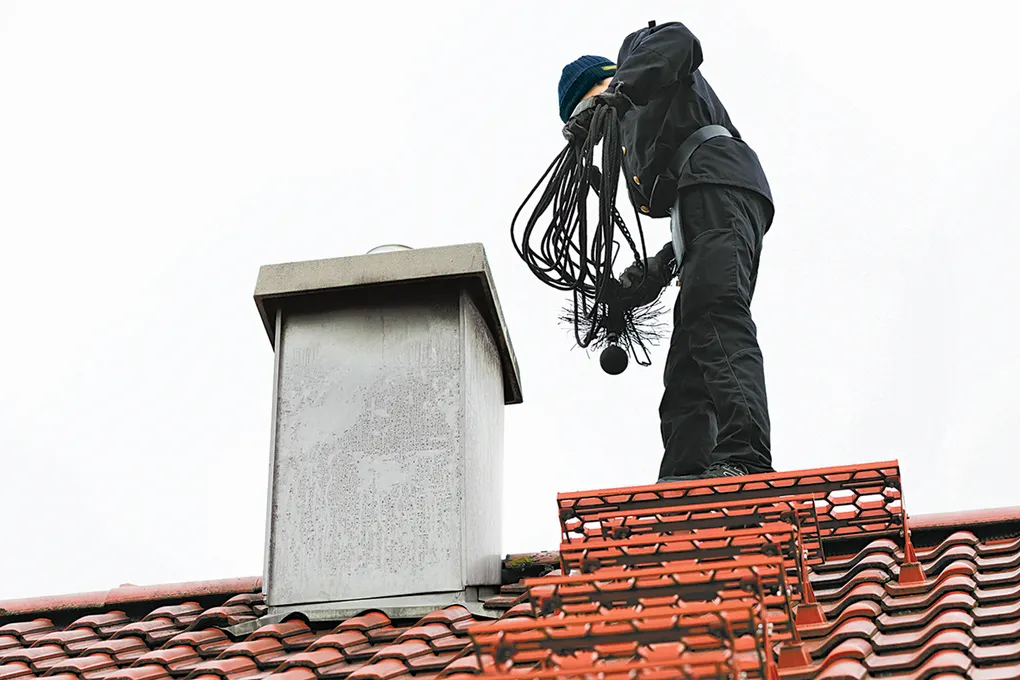
The standard is condition-driven, not calendar-driven: NFPA 211 ties cleaning to a measured 1/8" of creosote accumulation, and a Level 1 inspection is the way we confirm you've reached it. For a wood-burning fireplace in regular use that typically lands at once per heating season — but we measure the buildup and tell you what the flue actually shows rather than assuming.
Yes — and verifiably so. Our inspectors hold current CSIA (Chimney Safety Institute of America) certifications you can confirm yourself in the CSIA member directory at csia.org, and our fireplace work is handled by NFI specialists. We name the standard we inspect to so you can check the credential behind the report.
Yes. We respond 24/7 (subject to crew availability) to the situations that can't wait for a diagnosis later — an active water leak into the home, an animal trapped in the flue, post-fire hazards, and storm damage. We make the system safe first, then document the cause; same-day in most cases.
Always — and with the evidence attached. Before any work starts you receive a written quote backed by photos of exactly what we found and why it needs attention. Final pricing follows the documented condition of the chimney and anything the inspection turns up, not a number guessed before we've looked.
Flue Watch is our annual maintenance plan at $19.99/month ($240/year): a documented Level 1 inspection and sweep every year ($248 value), priority scheduling, 10% off all repairs, and emergency-response priority. It's the way to keep a year-over-year record of your system's condition. Cancel anytime, no contract.
Last reviewed:
Other services in the Home Services category.
Free written quote. Same-week scheduling. 24/7 emergency response when you need it.
Active leak, animal in flue, post-fire damage, or smoke event? Real humans on the line 7 AM to 12 AM every day — replies in under 2 minutes. Tech dispatch within 2 hours during business hours, subject to crew availability after-hours.
Emergency line