
Air Duct Services
Scope set by inspected condition — repair, mastic-seal, sanitize, or replace, never more than needed.
Learn moreThe target R-value is the whole point, so the depth is measured and marked rather than eyeballed: cellulose or fiberglass blown to R-38 for Texas code or R-49 for the DOE recommendation. Baffles keep soffit vents clear, a dam protects the access, and a platform keeps the hatch usable — and clearance to the flue is held where a chimney chase passes through. Depth rulers left in place are the verification that the rated value was actually reached.
Prices shown are starting estimates and may change with the condition, access, and scope we find on site. Only a written quote from an on-site visit is a price we commit to.
Blown-in is a method, not a menu — and the method is what determines whether the R-value on the bag ever reaches your attic floor. Loose fill is fed through a hopper, fluffed with air, and hosed across the deck through a long fill tube, building an even blanket that drapes around joists, wiring runs, and the irregular framing a rigid batt can never sit flush against. That conformability is the whole reason loose fill exists: no seams, no friction-fit gaps, no cut-to-fit waste. It's installed the way the coverage chart demands — to the bag count AND the settled depth, not whichever runs out first.
Material choice changes the numbers, and it's chosen by the attic, not by what's on the truck. Cellulose delivers roughly R-3.7 per inch, packs denser, and resists air movement through the blanket better — but it's heavier and settles more, so it's over-blown to account for the drop. Loose-fill fiberglass runs about R-2.5 per inch, weighs less, settles barely at all, and won't wick water if the attic ever leaks — but at low density it lets more air drift through, so it's blown to the higher install depth its chart specifies. Hitting R-38 to R-49 means a real, different installed depth for each: a cellulose job and a fiberglass job to the same R-value aren't the same height of fill, and a crew that ignores that under-delivers one of them.
Density and depth verification are the craft. The machine is dialed for the target install density — under-fluffed cellulose blows light and settles into a thin, cold blanket; over-packed fiberglass wastes material and can lose loft. The fill is over-blown above the final R-target so that when loose fill settles in its first weeks the SETTLED depth still meets spec, and depth-marker rulers are stapled every few feet across the deck so the installed inches are a measurement you can read yourself, not a promise. The eaves are dammed and baffled so the blower doesn't drift fill into the soffit vents and wind-washing can't thin the perimeter blanket. Unlike insulation-services — the umbrella that decides whether blowing, batt, or spray is even the right answer and air-seals the envelope first — this service is the loose-fill blow itself, one installation method executed to a proven depth.
One honest limit defines this method: loose fill is a conductive barrier, not an air barrier. Blown over an unsealed attic it simply filters the air still leaking through every top-plate gap and penetration, which is why air-sealing is flagged as a prerequisite rather than pretending the blanket fixes leakage. Existing fill that's dry and intact is blown over (a top-off to depth), and settled, matted, or foot-traffic-crushed fill that's lost its rated loft is re-fluffed or re-leveled. The value is in the gauge readings, the over-blow math, and the documented settled depth — getting the method exactly right, every square foot.
Because TCE is national and standards-driven, the machine-density settings and over-blow allowance are tuned to the local climate zone and the chosen material's coverage chart in every market — a cellulose blow in a freeze-thaw northern attic and a fiberglass blow in a hot-climate southern one are each installed to their own correct settled depth. You're not trusting a crew to eyeball the hopper; you're getting the brand standard on the one thing this service is: loose fill, blown to a proven depth.
For a machine-blown, density-correct, depth-verified loose-fill install, call (214) 444-8103, anywhere TCE serves.
Choose the material first, then read its coverage chart to hit the target depth and density the job calls for.
Dam eaves and protect soffit vents before blowing.
Machine-blow to install depth, over-blown for settling.
Verify settled depth against stapled depth-marker rulers.
We've worked on 1,000+ DFW homes over 10+ years. Every job — small sweep or full rebuild — runs the same way: certified technicians, written quotes, photo reports, warranty in writing.
Cellulose (~R-3.7/in) or fiberglass (~R-2.5/in) blown to the depth the chart calls for
Over-blown to allow for settling, so the settled depth still reaches target
Machine density dialed in, not eyeballed
Depth-marker rulers prove the installed inches
Family-owned, CSIA-certified, NFPA 211–compliant. We're the team you call when you want it done right the first time — no rotating subcontractors, no upsell pressure, no surprises. Same techs, same trucks, same standard.
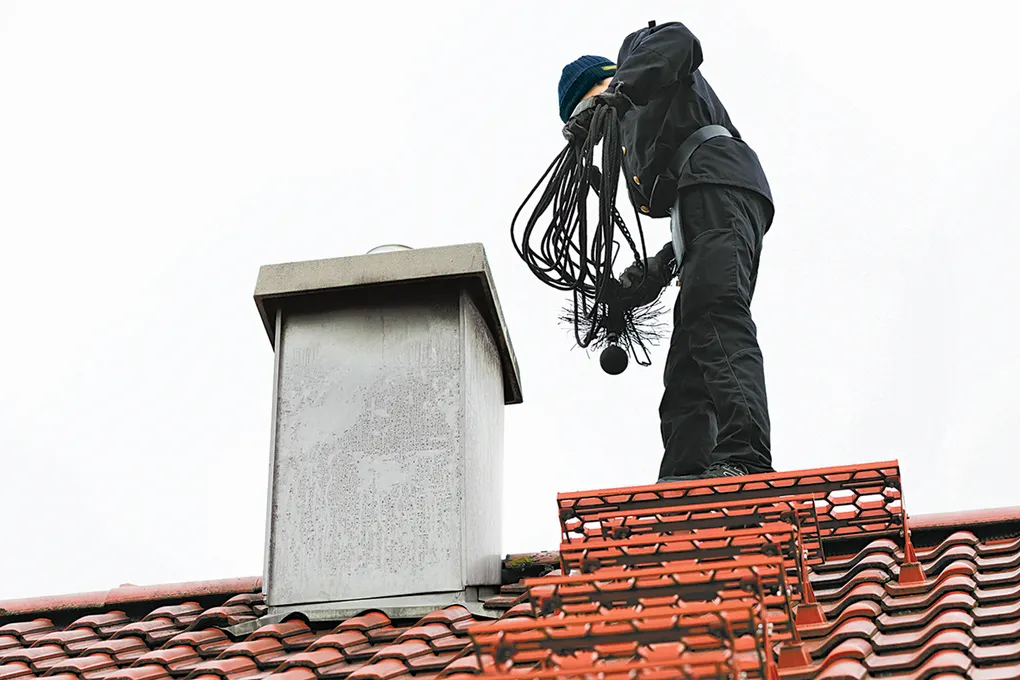
The standard is condition-driven, not calendar-driven: NFPA 211 ties cleaning to a measured 1/8" of creosote accumulation, and a Level 1 inspection is the way we confirm you've reached it. For a wood-burning fireplace in regular use that typically lands at once per heating season — but we measure the buildup and tell you what the flue actually shows rather than assuming.
Yes — and verifiably so. Our inspectors hold current CSIA (Chimney Safety Institute of America) certifications you can confirm yourself in the CSIA member directory at csia.org, and our fireplace work is handled by NFI specialists. We name the standard we inspect to so you can check the credential behind the report.
Yes. We respond 24/7 (subject to crew availability) to the situations that can't wait for a diagnosis later — an active water leak into the home, an animal trapped in the flue, post-fire hazards, and storm damage. We make the system safe first, then document the cause; same-day in most cases.
Always — and with the evidence attached. Before any work starts you receive a written quote backed by photos of exactly what we found and why it needs attention. Final pricing follows the documented condition of the chimney and anything the inspection turns up, not a number guessed before we've looked.
Flue Watch is our annual maintenance plan at $19.99/month ($240/year): a documented Level 1 inspection and sweep every year ($248 value), priority scheduling, 10% off all repairs, and emergency-response priority. It's the way to keep a year-over-year record of your system's condition. Cancel anytime, no contract.
Last reviewed:
Other services in the Home Services category.
Free written quote. Same-week scheduling. 24/7 emergency response when you need it.
Active leak, animal in flue, post-fire damage, or smoke event? Real humans on the line 7 AM to 12 AM every day — replies in under 2 minutes. Tech dispatch within 2 hours during business hours, subject to crew availability after-hours.
Emergency line