
Air Duct Services
Scope set by inspected condition — repair, mastic-seal, sanitize, or replace, never more than needed.
Learn moreInsulation only performs when air-sealing and ventilation are balanced with it — over-tighten a home without makeup air and you can starve a combustion appliance of draft and pull combustion gases back inside. We retrofit walls, crawl spaces, and chimney chases, seal the leak paths, and check that the building stays balanced so the flue still vents. Confirming the draft after tightening is the safety verification, because a tighter house that backdrafts is a worse problem than the one it solved.
Prices shown are starting estimates and may change with the condition, access, and scope we find on site. Only a written quote from an on-site visit is a price we commit to.
Insulation services starts with the question most installers skip: what does this envelope actually need, measured, and in what order? A house is a system of surfaces — attic deck, knee walls, rim joists, crawlspace, cathedral ceilings — each with a different right answer. The whole envelope is the unit of work, not a single attic blow, because a home under-insulated in the attic is often also leaking conditioned air at the rim and starved of the right product at the knee walls. The building is assessed as a thermal envelope first, then the fixes sequenced so each one builds on the last.
Air-sealing comes before any insulation, and that sequence is the heart of this service. Insulation slows conductive heat; it does nothing about the air physically leaking through top-plate gaps, can-light penetrations, dropped soffits, and chimney chases. Bury those leaks under fresh fill and you've spent money trapping the problem instead of fixing it. So the envelope is sealed first — caulk, foam, and gaskets at every penetration, fire-rated covers over non-IC recessed cans, a sealed attic hatch — and only then insulated. The things that quietly defeat insulation are corrected too: the eaves baffled so soffit-to-ridge airflow survives, and ventilation and moisture problems fixed before they soak the new material.
Choosing the right product per surface is what makes this the umbrella service rather than one method. Current R-value is measured against the climate-zone target (commonly R-38 to R-49 in the attic), then materials are assigned by assembly: loose-fill blown across the open attic floor where conformability wins, batts friction-fit into clean stud and rafter cavities where a faced sheet belongs, closed-cell spray foam at the rim joist and in tight, unvented assemblies where air-sealing and R-per-inch both matter, and a radiant barrier where hot-climate radiant gain dominates. Unlike blown-in-insulation — the loose-fill blow itself, one method executed well — this service decides WHETHER blowing is even right for a given surface, air-seals first, and routes the rest to batt or foam where those fit better.
Removal and remediation are part of the umbrella too, because you can't insulate well over a compromised layer. When the existing insulation is rodent-contaminated, mold-laden, water-damaged, or crushed flat, we remove and dispose of it, treat the deck, and start clean — rather than top off over a problem that won't improve under a fresh blanket. The TCE difference is that one accountable crew owns the whole chain: assess, seal, remove if needed, then install the right mix and verify it. You're not coordinating a sealing contractor, a removal crew, and an insulator who each blame the other.
Because TCE is national and standards-driven, the assess-seal-select-verify sequence is identical in every market and tuned to the local climate zone — a whole-envelope project in a humid Gulf-Coast home and one in a freeze-thaw northern home each get the same order of operations and the same product-matching discipline, with the materials chosen for that zone. You're not trusting a local crew to know that air-sealing comes first; you're getting the brand standard on the entire envelope, not just a pile of fill in the attic.
For a whole-envelope assessment that seals first and installs the right product per surface, call (214) 444-8103, anywhere TCE serves.
Walk the whole envelope, measure R-value, and locate where air is leaking through.
Air-seal penetrations and remediate moisture/ventilation first.
Match blown-in, batt, or spray foam to each surface.
Install the right mix to target R-value and confirm.
We've worked on 1,000+ DFW homes over 10+ years. Every job — small sweep or full rebuild — runs the same way: certified technicians, written quotes, photo reports, warranty in writing.
Whole-envelope assessment, not a single attic blow
Air-seal first — then insulate, in the right order
Matching the product to each surface: blown-in, batt, or spray foam.
Removal and remediation handled by the same crew
Family-owned, CSIA-certified, NFPA 211–compliant. We're the team you call when you want it done right the first time — no rotating subcontractors, no upsell pressure, no surprises. Same techs, same trucks, same standard.
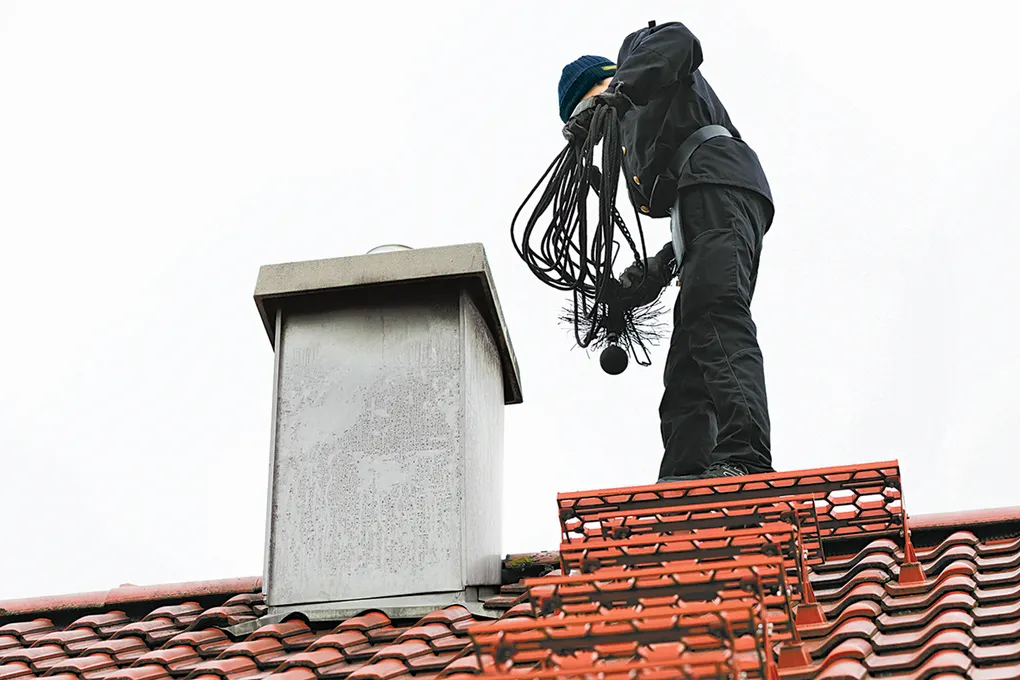
The standard is condition-driven, not calendar-driven: NFPA 211 ties cleaning to a measured 1/8" of creosote accumulation, and a Level 1 inspection is the way we confirm you've reached it. For a wood-burning fireplace in regular use that typically lands at once per heating season — but we measure the buildup and tell you what the flue actually shows rather than assuming.
Yes — and verifiably so. Our inspectors hold current CSIA (Chimney Safety Institute of America) certifications you can confirm yourself in the CSIA member directory at csia.org, and our fireplace work is handled by NFI specialists. We name the standard we inspect to so you can check the credential behind the report.
Yes. We respond 24/7 (subject to crew availability) to the situations that can't wait for a diagnosis later — an active water leak into the home, an animal trapped in the flue, post-fire hazards, and storm damage. We make the system safe first, then document the cause; same-day in most cases.
Always — and with the evidence attached. Before any work starts you receive a written quote backed by photos of exactly what we found and why it needs attention. Final pricing follows the documented condition of the chimney and anything the inspection turns up, not a number guessed before we've looked.
Flue Watch is our annual maintenance plan at $19.99/month ($240/year): a documented Level 1 inspection and sweep every year ($248 value), priority scheduling, 10% off all repairs, and emergency-response priority. It's the way to keep a year-over-year record of your system's condition. Cancel anytime, no contract.
Last reviewed:
Other services in the Home Services category.
Free written quote. Same-week scheduling. 24/7 emergency response when you need it.
Active leak, animal in flue, post-fire damage, or smoke event? Real humans on the line 7 AM to 12 AM every day — replies in under 2 minutes. Tech dispatch within 2 hours during business hours, subject to crew availability after-hours.
Emergency line