
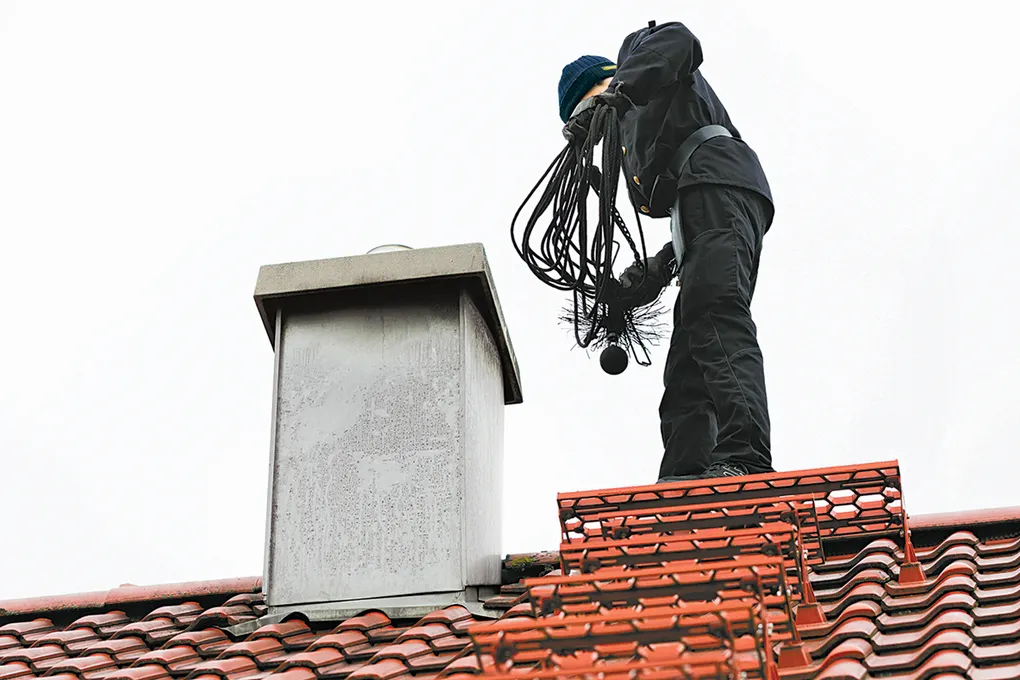
Why Do I Have a Bad Smell From My Chimney? | Texas Chimney Experts
Texas Chimney Experts — DFW chimney & fireplace specialists. Free inspection, written quote, no surprise fees.
This is a common Fort Worth-area chimney issue: why do i have a bad smell from my chimney is one of the most common questions we get from Tarrant, Parker, and west Denton counties (west of I-35) homeowners. Below is the diagnostic flow we use on-site, written so you can run it yourself before you spend money on a service call.
TL;DR — Diagnostic summary
Chimney odors come from four sources: creosote (wet-campfire smell, worsens in summer humidity), animal/nest odor (sweet rotting smell), water in the flue (musty/mildew), and downdraft pulling sewer or attic smells. Run through the steps below to isolate, then deal with the source — masking it with deodorizer never works for more than a week.
Why we see this in DFW
DFW summer humidity is the main accelerator — creosote that’s barely noticeable in February becomes overpowering in July when warm humid air carries the volatile compounds back into the room. We also get spring nesting season (March-May) when squirrels and chimney swifts move in, and the smell only shows up weeks later when nesting material starts to decompose.
⚠ Safety first
Code-relevant safety notice: A persistent dead-animal smell can be more than unpleasant — decomposing tissue can grow mold spores that drift into the home. If the smell is intense or anyone in the household has respiratory sensitivity, do not delay; this needs professional removal with proper PPE.
Diagnostic flow — work through in order
Run these steps one at a time. Each step ends with a stop-check so you know whether to keep going or call us.
- 1. Identify the smell type — Wet-campfire / asphalt smell = creosote. Sweet, rotting, animal-like = nest or dead animal. Musty, basement-like = water + mildew. Sewer or attic-like = downdraft pulling exterior air in. (Knowing the type narrows the next step — keep going regardless. If this fixes it: STOP. If not: continue.)
- 2. Close the damper and re-check — If the smell goes down significantly with the damper closed, the source is inside the flue itself (creosote, animal, water). If it’s the same with the damper closed, the source may be a leak around the chimney chase or attic. (Damper-closed test confirms whether the source is in the flue. If this fixes it: STOP. If not: continue.)
- 3. Run the AC or a kitchen exhaust and re-check — If the odor gets worse when AC or vent hood runs, you have a downdraft pulling air down the chimney. The negative pressure is reversing the flue’s normal upward flow. (Worse-with-AC confirms downdraft — the smell isn’t ‘new,’ you just started pulling it indoors. If this fixes it: STOP. If not: continue.)
- 4. Visually inspect the firebox and damper area — Flashlight up the flue. Look for: dark heavy creosote (oily/glossy), bird-nest material (sticks, leaves, feathers), water staining on the smoke shelf, white mineral residue (efflorescence — water source). (Visible creosote, nest, or water source narrows the diagnosis to one of the standard fixes. If this fixes it: STOP. If not: continue.)
- 5. Check the chimney cap from outside — From a safe ground-level vantage (binoculars help), confirm the cap is in place and the screening intact. Missing cap or torn screening is the #1 reason animals get in. (Damaged or missing cap means you have an open invitation — schedule cap replacement. If this fixes it: STOP. If not: continue.)
- 6. Pour a cup of water into the firebox — If you smell musty mildew right after, water is sitting on the smoke shelf or in the firebox — the cap, crown, or flashing has been letting water in over multiple rains. (Wet-test confirms a leak — the odor is secondary, the leak is the real issue. If this fixes it: STOP. If not: continue.)
When to call a pro
If the diagnostic steps don’t isolate it, it’s time for a Level 2 NFPA 211 inspection. Texas Chimney Experts is CSIA-certified and operates west of I-35 across Tarrant, Parker, and west Denton counties. Inspection report is camera-documented.
What it costs to diagnose & fix (DFW, 2026)
Real DFW market ranges. Inspection always comes with a written quote before any repair work begins — no hidden fees.
| Service | Typical range |
|---|---|
| Level 1 inspection (smell diagnosis) | $89 |
| Standard chimney sweep (creosote removal) | $149-$-+ |
| Animal removal (single, accessible) | $200-$-+ |
| Chimney cap replacement (with screening) | $199-$-+ |
| Smoke-shelf cleaning + deodorizer treatment | $120-$-+ |
Frequently asked questions
Why does the smell get worse in summer?
Creosote contains volatile organic compounds that off-gas more aggressively in heat and humidity. The same chimney that’s odor-free in February can be overpowering in July — DFW summers are notorious for this.
Can I just use a chimney deodorizer?
Deodorizers mask the smell for a few days at most. They don’t remove the source — creosote, water damage, or animal material. Use them only as a temporary measure while you wait for an inspection.
Is a chimney smell ever dangerous?
Creosote odor is mostly a nuisance, but it indicates a fire-safety issue (heavy buildup). Decomposing animals can release mold and bacteria. Water-related musty smells often mean structural masonry damage is in progress.
How do I keep animals out for good?
A properly-sized stainless cap with mesh screening (not the cheap aluminum kind that crushes) is the answer. Once installed correctly, it lasts 15-20 years and stops every common animal — birds, squirrels, raccoons.
Does the smell mean I need a new chimney liner?
Not always. Most odor calls are resolved with a sweep + cap repair. A failing liner usually shows up as a draft or smoke issue first, not odor.
Related guides & services
Ready when you are
Schedule a Level 2 inspection">Level 2 inspection — written report with photos returned within 24 hours. Call (214) 444-8103 or use the contact form.
Our Sister Companies — Specialists in Related Services
Texas Service Experts is part of a network of CSIA-certified chimney specialists. Depending on your specific need:
- Texas Service Experts — general chimney sweep/inspection
- Prime Chimney Experts — multi-state national service