
Birds or Animals in My Chimney — What Should I Do? | Texas Chimney Exp
Texas Chimney Experts — DFW chimney & fireplace specialists. Free inspection, written quote, no surprise fees.
This is a common Fort Worth-area chimney issue: birds or animals in my chimney — what should i do is one of the most common questions we get from Tarrant, Parker, and west Denton counties (west of I-35) homeowners. Below is the diagnostic flow we use on-site, written so you can run it yourself before you spend money on a service call.
TL;DR — Diagnostic summary
If you hear scratching, chirping, or scuffling in the flue, do not light a fire and do not open the damper sharply. Identify the species first (chimney swifts are federally protected and require a different approach than squirrels or raccoons), assess whether the animal can climb out on its own, and call a professional for anything other than a self-extricating bird.
Why we see this in DFW
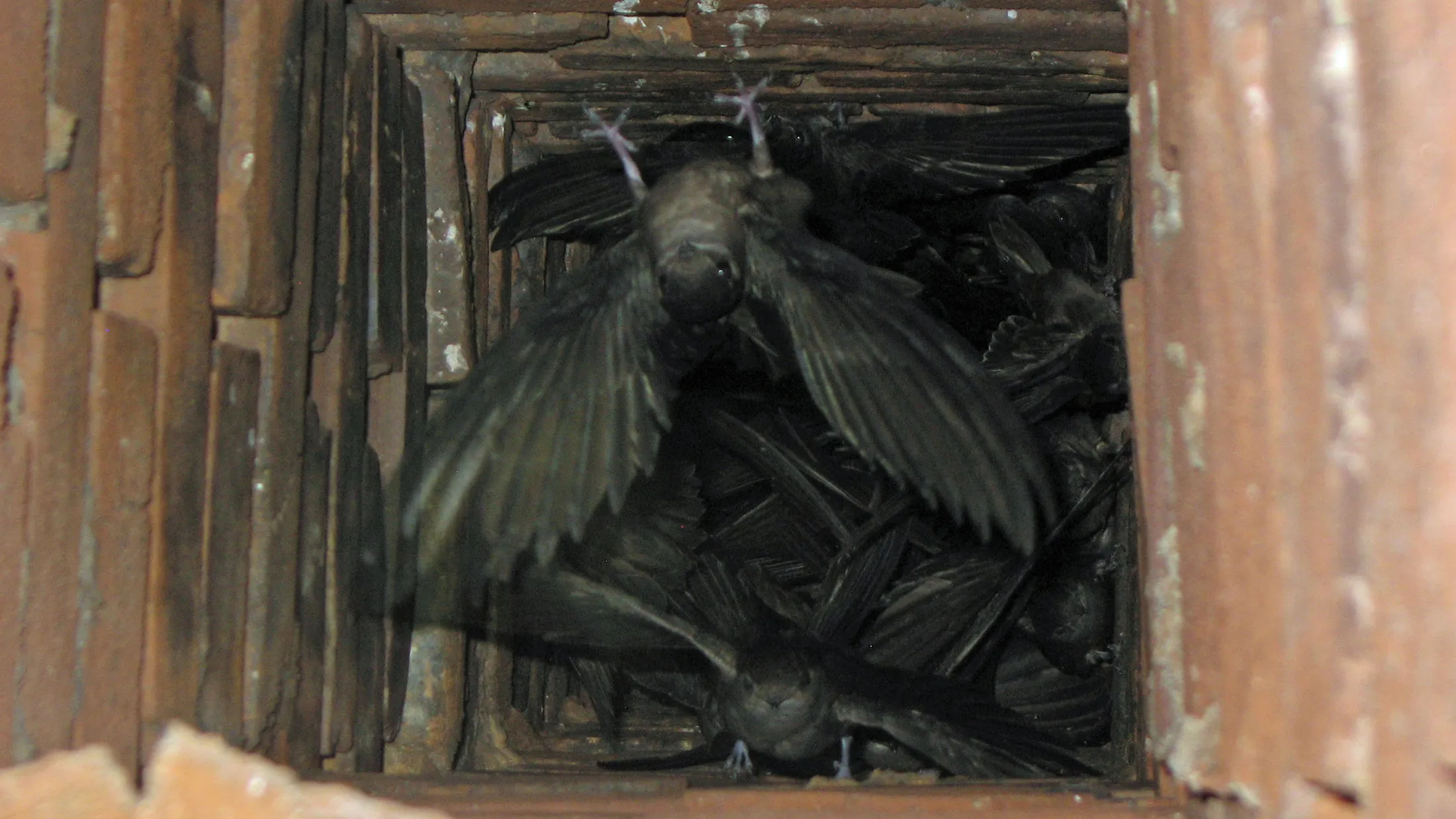
Chimney swift season runs March through August in DFW and these birds are protected under the Migratory Bird Treaty Act — you cannot legally remove a nest with eggs or young. Squirrels and raccoons are a year-round issue, especially in Oak Cliff, Lakewood, and older Plano neighborhoods with mature trees against the roofline.
⚠ Safety first
Code-relevant safety notice: Animals trapped in a chimney can carry rabies (raccoons, bats), histoplasmosis (bird/bat droppings), and parasites. Do not attempt to extract a mammal yourself, do not reach up into the flue with bare hands, and do not allow children or pets near the firebox until the animal is gone and the flue has been swept.
Diagnostic flow — work through in order
Run these steps one at a time. Each step ends with a stop-check so you know whether to keep going or call us.
- 1. Listen and identify — Soft chirping + chittering, especially March-August, evening = chimney swifts. Heavy scratching + thumping, often dawn/dusk = squirrel or raccoon. Single fluttery panic noise = bird that fell in and can’t climb out (often starling or sparrow). (Identification determines what you can legally do — swifts are federally protected. If this fixes it: STOP. If not: continue.)
- 2. Close the damper IMMEDIATELY — Whatever’s in the flue, you don’t want it in the room. Closing the damper keeps it confined to the flue while you decide next steps. (Damper closed = animal contained, household safe. If this fixes it: STOP. If not: continue.)
- 3. Do NOT light a fire — Even if the animal eventually leaves, do not start a fire. Burning a nest can cause a chimney fire (dry sticks + creosote = perfect fuel), and the smoke from animal remains is toxic. (No fire until the flue is professionally cleared. If this fixes it: STOP. If not: continue.)
- 4. If it’s a self-extricating bird, give it a path out — If you confirmed it’s a non-protected bird that fell in (panic flutter), you can sometimes coax it up by leaving the damper open and a flashlight pointed up the flue at night with all room lights off. The bird flies toward the light. (If the bird leaves on its own, schedule a cap installation immediately to prevent recurrence. If this fixes it: STOP. If not: continue.)
- 5. For nesting swifts, wait it out (or call a wildlife rehab) — Active swift nests with eggs/young are protected — it is illegal to remove them. Most nests are vacant by late August. Once empty, schedule a sweep + cap. (Confirmed nesting swifts = wait until season ends or contact licensed wildlife rehab. If this fixes it: STOP. If not: continue.)
- 6. For squirrels, raccoons, or any animal that can’t climb out, call a pro — Mammals trapped in a flue need professional removal — they will die in the flue otherwise, and their decomposition becomes a separate odor + sanitation problem. (Trapped mammal = same-day call to a chimney company with animal-removal capability. If this fixes it: STOP. If not: continue.)
When to call a pro
If the diagnostic steps don’t isolate it, it’s time for a Level 2 NFPA 211 inspection. Texas Chimney Experts is CSIA-certified and operates west of I-35 across Tarrant, Parker, and west Denton counties. Inspection report is camera-documented.
What it costs to diagnose & fix (DFW, 2026)
Real DFW market ranges. Inspection always comes with a written quote before any repair work begins — no hidden fees.
| Service | Typical range |
|---|---|
| Level 1 inspection (animal assessment) | $89 |
| Animal removal (single, accessible) | $200-$-+ |
| Removal + nest debris cleanout | $300-$-+ |
| Chimney cap replacement (prevent recurrence) | $199-$-+ |
| Full sweep after animal removal | $149-$-+ |
Frequently asked questions
Are chimney swifts really federally protected?
Yes — under the Migratory Bird Treaty Act of 1918. Active nests with eggs or young cannot legally be removed. Most nesting cycles wrap up by late August; cap the chimney at that point to prevent next-year nesting.
How do I tell a swift from a regular bird?
Swifts make distinctive rapid chittering, especially around dusk during nesting season (March-August). They cluster and you’ll often hear multiple birds. A single fluttery panic noise is usually a different species that fell in.
Can the animal get into my house from the flue?
If the damper is open, yes — especially squirrels and raccoons. Close the damper immediately if you hear anything. If the damper is broken or doesn’t seal, block the firebox opening with a plywood panel until removal.
Why didn’t the cap stop them?
Either there was no cap, the cap was damaged (mesh torn, cap blown off), or the cap was undersized for the flue. A properly-sized stainless cap with intact mesh prevents 99% of animal entries.
How much does removal cost?
Single accessible animal: $200-$-+. Add $100-$-+ if there’s a nest to clean out. Add a sweep ($149-$-+) since the flue will need cleaning anyway. Cap replacement runs $199-$-+ separately.
Related guides & services
Ready when you are
Schedule a Level 2 inspection">Level 2 inspection — written report with photos returned within 24 hours. Call (214) 444-8103 or use the contact form.
Our Sister Companies — Specialists in Related Services
Texas Service Experts is part of a network of CSIA-certified chimney specialists. Depending on your specific need:
- Texas Service Experts — general chimney sweep/inspection
- Prime Chimney Experts — multi-state national service