
Chimney Waterproofing
Crown and flashing inspected first, then a breathable vapor-permeable sealant applied to spec.
Learn moreBrick that absorbs water spalls on the next freeze-thaw cycle, a failure mode we check for before treating. We apply ChimneySaver Water Repellent, a vapor-permeable sealant that blocks driving rain while letting absorbed moisture escape — the breathable spec that protects masonry rather than a film that traps damage behind it, backed by a 10-year warranty. Coverage is applied to the rated rate and the treated face documented, so the protection is verified, not assumed.
Prices shown are starting estimates and may change with the condition, access, and scope we find on site. Only a written quote from an on-site visit is a price we commit to.
This service is about the brick itself — its condition, its porosity, and what the faces are already telling you. Not all chimney brick is the same: a hard, dense, low-absorption face takes a different repellent at a different application rate than a soft, porous, or already-spalling one, and thin brick veneer behaves differently again. Texas Chimney Experts treats brick waterproofing as a diagnostic, condition-driven job: we read the faces first — testing absorption, identifying the brick type, flagging which courses are spalling or efflorescing — and then choose the siloxane or silane repellent and the coverage rate that fit that specific masonry. How this differs from our chimney-waterproofing service: that page is the whole-stack program that wraps the entire chimney as a unit and checks the crown and flashing; this one focuses tightly on the condition and product-fit of the brick faces and veneer themselves.
Spalling and efflorescing faces are the symptoms that bring most homeowners to this service, and each is read as evidence before any repellent goes on. Spalling — the face flaking, popping, or shedding its outer skin — means water has already entered and frozen, so those faces are addressed first, because a breathable repellent over crumbling brick only seals the damage in. Efflorescence, the white crystalline bloom, is dissolved salt left as water evaporates out of the brick — a documented active moisture path, not a stain to paint over. The bloom is cleaned, the face confirmed dry, and only then is a repellent selected, because sealing over salt-laden or actively-wet brick traps the salts and water inside and the bloom returns.
Product selection is the core of this job, and condition drives it. A vapor-permeable siloxane or silane is the only correct chemistry for chimney brick — film-forming paints and glossy "waterproofers" trap moisture and spall the face from behind — but within the breathable family the choice is condition-specific: molecular size, solids content, and application rate are matched to how porous and how sound the brick measures, and a softer or more absorbent face takes a heavier, deeper-penetrating coat. Repair precedes sealing at the face level: spalled brick is cut and replaced and crumbling joint mortar pointed, so the repellent lands on sound, bondable masonry rather than a face already failing.
Applied to brick that's been read, repaired, and matched to the right product, a breathable repellent shuts down the absorption that drives freeze-thaw spalling — slowing the very deterioration the bare faces were already showing. The order is held honestly: an actively spalling face or an open joint is repaired before any sealer touches it, because waterproofing a deteriorating brick face is money spent locking the failure in. The same read-the-condition, match-the-product, repair-then-seal discipline applies across our national network, with particular value in freeze-thaw markets where a porous, untreated brick face is the opening move of the spalling cycle.
At Texas Chimney Experts, a brick waterproofing is never guesswork. We scope every job from a graded, photographed inspection first — the NFPA 211 level the evidence calls for — so the work is matched to what your flue and masonry actually need, with the report to prove it. The documented inspection is the record the brick waterproofing is built on.
Chimney inspectionA brick waterproofing isn't a matter of opinion — it's held to published national standards. Texas Chimney builds every job to the named codes below and documents it, so the work is provably right for an inspector, an insurer, or a future buyer. These are the universal standards; your city's permit and inspection requirements are confirmed with the local authority before we pull the job.
Only a vapor-permeable siloxane or silane repellent belongs on chimney brick; film-forming paints and coatings are ruled out. A breathable product turns away liquid water while letting the brick face release vapor, whereas a film traps that moisture and spalls the face from behind.
No repellent goes on until spalled brick and crumbling joints have been cut out, replaced, and pointed. Seal an actively failing face and you lock the damage in instead of stopping it.
Codes cited are the established national standards (NFPA, UL, IRC) that govern this service. The adopted code edition, permit, and inspection requirements vary by city —Texas Chimney verifies them with your local authority having jurisdiction on every job.
Test how the face absorbs, identify the brick type and veneer, and flag any spalling or efflorescing faces.
Swap out spalled brick, repoint crumbling joints, clear the efflorescence, and let the face dry.
Choose the repellent and its coverage rate to suit that brick's condition and porosity.
Apply to the prepared faces and document coverage.
We've worked on 1,000+ DFW homes over 10+ years. Every job — small sweep or full rebuild — runs the same way: certified technicians, written quotes, photo reports, warranty in writing.
A repellent chosen against your brick's actual condition, type, and porosity
Spalling and efflorescing faces read and repaired first, before any sealer goes on
Vapor-permeable chemistry only — never a face-trapping film
Coverage rate set to how much the actual brick drinks in
Family-owned, CSIA-certified, NFPA 211–compliant. We're the team you call when you want it done right the first time — no rotating subcontractors, no upsell pressure, no surprises. Same techs, same trucks, same standard.
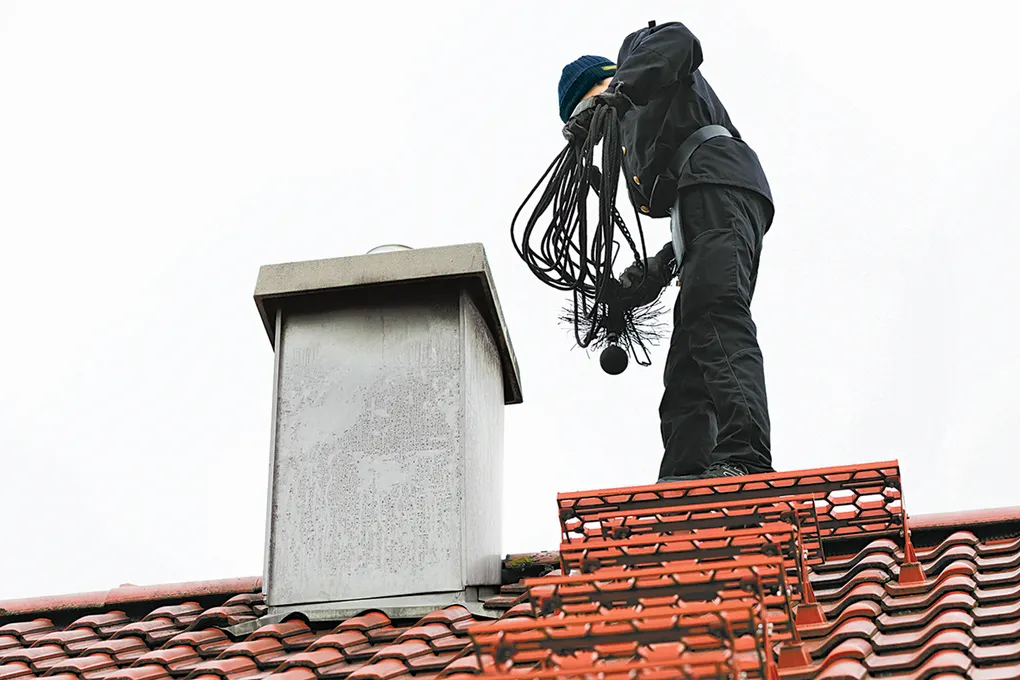
The standard is condition-driven, not calendar-driven: NFPA 211 ties cleaning to a measured 1/8" of creosote accumulation, and a Level 1 inspection is the way we confirm you've reached it. For a wood-burning fireplace in regular use that typically lands at once per heating season — but we measure the buildup and tell you what the flue actually shows rather than assuming.
Yes — and verifiably so. Our inspectors hold current CSIA (Chimney Safety Institute of America) certifications you can confirm yourself in the CSIA member directory at csia.org, and our fireplace work is handled by NFI specialists. We name the standard we inspect to so you can check the credential behind the report.
Yes. We respond 24/7 (subject to crew availability) to the situations that can't wait for a diagnosis later — an active water leak into the home, an animal trapped in the flue, post-fire hazards, and storm damage. We make the system safe first, then document the cause; same-day in most cases.
Always — and with the evidence attached. Before any work starts you receive a written quote backed by photos of exactly what we found and why it needs attention. Final pricing follows the documented condition of the chimney and anything the inspection turns up, not a number guessed before we've looked.
Flue Watch is our annual maintenance plan at $19.99/month ($240/year): a documented Level 1 inspection and sweep every year ($248 value), priority scheduling, 10% off all repairs, and emergency-response priority. It's the way to keep a year-over-year record of your system's condition. Cancel anytime, no contract.
Last reviewed:
Other services in the Construction category.
Free written quote. Same-week scheduling. 24/7 emergency response when you need it.
Active leak, animal in flue, post-fire damage, or smoke event? Real humans on the line 7 AM to 12 AM every day — replies in under 2 minutes. Tech dispatch within 2 hours during business hours, subject to crew availability after-hours.
Emergency line