
Chimney Inspection
A graded NFPA 211 Level 1, 2, or 3 inspection with a documented photo report.
Learn moreThe annual pellet-stove inspection is the documented record insurers and warranties often require. We run the NFPA 211 checks — venting integrity, gasket seal, exhaust paths, and electrical — and grade each against code, photographing the findings. The deliverable is a written report you can file, not a verbal all-clear: the unit's condition is recorded against the standard so you have proof it was checked, pass or fail.
Prices shown are starting estimates and may change with the condition, access, and scope we find on site. Only a written quote from an on-site visit is a price we commit to.
A pellet stove is a more mechanical appliance than a traditional fireplace — it has motors, fans, gaskets, an auger, and electronic controls working together — and that means it has more parts that wear and more places where fly-ash accumulates. An annual inspection keeps all of it running safely and efficiently, and it's the single best way to avoid the mid-winter breakdown that always seems to happen on the coldest night. Texas Chimney Experts inspects pellet appliances thoroughly and pairs the inspection with a full cleaning, so you head into the heating season on a verified, ready system.
The inspection covers the whole appliance, component by component. The venting is checked for blockage and a sound seal, the door and hopper gaskets that keep combustion air on its intended path examined, the combustion and convection fans tested for wear and proper airflow, the burn pot and ignition inspected, and the electrical connections and safety switches verified. A pellet stove depends on every one of those working in concert — a tired fan or a leaking gasket quietly drags down efficiency and heat output long before it fails outright, which is exactly the kind of finding a documented pass catches early.
Cleaning is part of the visit, not an add-on, because pellet exhaust packs fine fly-ash into places a casual wipe-down never reaches. The burn pot, the ash traps, the heat-exchanger path, and the vent are all cleared of the buildup that fouls the flame, chokes airflow, and makes the stove work harder than it should. A clean burn path is what restores the efficiency and steady heat the stove had when it was new.
You leave with a written report of what was found and what to watch, plus straightforward maintenance recommendations. Timing the inspection before peak season means small issues — a worn gasket, a tired fan, early buildup — are caught while they're cheap and easy to address, rather than during a cold-weather failure. It's the same pre-season diligence and honest reporting our technicians bring to every appliance across our national network.
A pellet stove inspection isn't a matter of opinion — it's held to published national standards. Texas Chimney builds every job to the named codes below and documents it, so the work is provably right for an inspector, an insurer, or a future buyer. These are the universal standards; your city's permit and inspection requirements are confirmed with the local authority before we pull the job.
Fly-ash blockage and vent leakage rank as the most common pellet-stove safety fault, so the inspection confirms the appliance's listed PL-vent run is clear and every gasketed joint is sound.
Since install, furniture, shelving, or a remodel can quietly creep into the required gap, so clearances to combustibles are re-measured against the stove's listing to confirm nothing has encroached.
Seasonal sign-off comes only after an ambient CO check taken with the stove running proves it burns and vents safely.
Codes cited are the established national standards (NFPA, UL, IRC) that govern this service. The adopted code edition, permit, and inspection requirements vary by city —Texas Chimney verifies them with your local authority having jurisdiction on every job.
Check venting, gaskets, fans, burn pot, wiring.
Full clean of burn pot, traps, and vent.
Verify ignition, airflow, and safe operation.
Written findings + maintenance recommendations.
We've worked on 1,000+ DFW homes over 10+ years. Every job — small sweep or full rebuild — runs the same way: certified technicians, written quotes, photo reports, warranty in writing.
Full venting + component safety check
Deep cleaning included
Catches issues before peak season
Written report with recommendations
Family-owned, CSIA-certified, NFPA 211–compliant. We're the team you call when you want it done right the first time — no rotating subcontractors, no upsell pressure, no surprises. Same techs, same trucks, same standard.
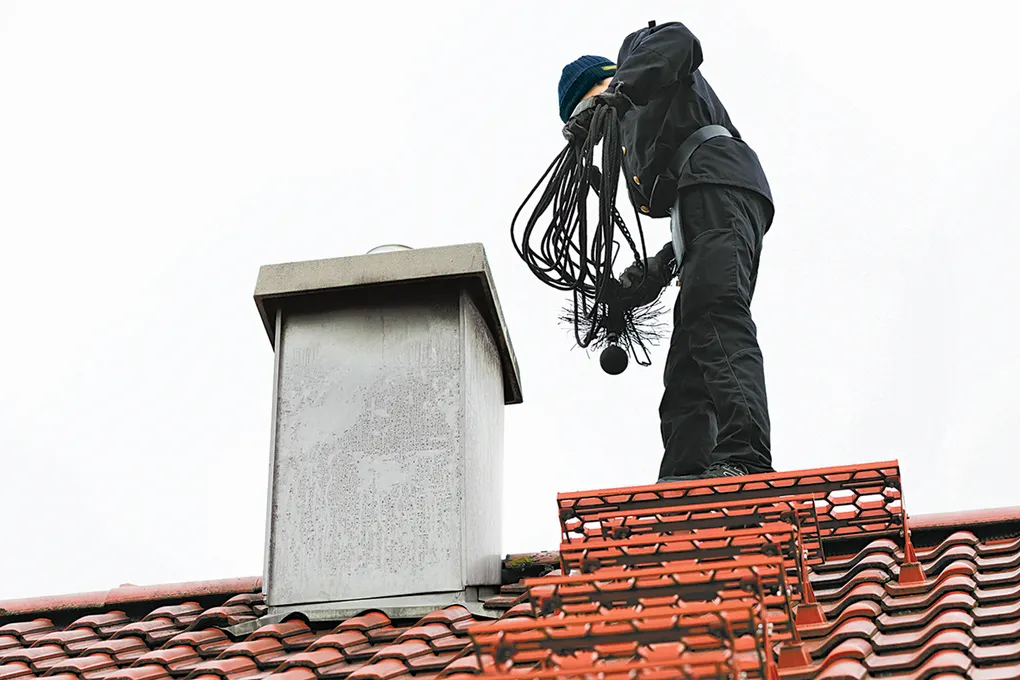
The standard is condition-driven, not calendar-driven: NFPA 211 ties cleaning to a measured 1/8" of creosote accumulation, and a Level 1 inspection is the way we confirm you've reached it. For a wood-burning fireplace in regular use that typically lands at once per heating season — but we measure the buildup and tell you what the flue actually shows rather than assuming.
Yes — and verifiably so. Our inspectors hold current CSIA (Chimney Safety Institute of America) certifications you can confirm yourself in the CSIA member directory at csia.org, and our fireplace work is handled by NFI specialists. We name the standard we inspect to so you can check the credential behind the report.
Yes. We respond 24/7 (subject to crew availability) to the situations that can't wait for a diagnosis later — an active water leak into the home, an animal trapped in the flue, post-fire hazards, and storm damage. We make the system safe first, then document the cause; same-day in most cases.
Always — and with the evidence attached. Before any work starts you receive a written quote backed by photos of exactly what we found and why it needs attention. Final pricing follows the documented condition of the chimney and anything the inspection turns up, not a number guessed before we've looked.
Flue Watch is our annual maintenance plan at $19.99/month ($240/year): a documented Level 1 inspection and sweep every year ($248 value), priority scheduling, 10% off all repairs, and emergency-response priority. It's the way to keep a year-over-year record of your system's condition. Cancel anytime, no contract.
Last reviewed:
Other services in the Inspection category.
Free written quote. Same-week scheduling. 24/7 emergency response when you need it.
Active leak, animal in flue, post-fire damage, or smoke event? Real humans on the line 7 AM to 12 AM every day — replies in under 2 minutes. Tech dispatch within 2 hours during business hours, subject to crew availability after-hours.
Emergency line