
Above-Roofline Chimney Removal
Failed stack taken down course-by-course to the deck and the roof line rebuilt, then water-tested.
Learn moreWhen a stack is past saving, removal is sequenced engineering, not demolition — load paths have to be supported before anything comes down. We run a contained interior demo, cap and pressure-test the gas line, and finish wall and floor infill flush. The verification is the job package: framed-infill photos, the gas-test result, and a roof water-test, so the completed removal is documented at every safety-critical step rather than reported done.
Prices shown are starting estimates and may change with the condition, access, and scope we find on site. Only a written quote from an on-site visit is a price we commit to.
Some chimneys aren't worth saving. When the answer is total removal, it's delivered the way the engineering demands: a fully planned teardown from cap to footing, every floor and wall it touched made flush and finished, and a structure left as if the chimney had never existed. The masonry mass runs from the firebox and ash pit at the base, up through the smoke chamber and flue to the crown — and it's often woven into floor framing, an exterior wall, or a fireplace breast that bears finish above it. Pulling that out without a load plan invites sagging floors and cracked drywall.
The work runs top-down and contained. The above-roof stack comes off and the roof is patched to an invisible standard; interior sections are dismantled under dust containment so soot and mortar don't migrate through your living space; the firebox, throat, hearth slab, and ash pit are broken out cleanly. Below grade, where the scope calls for it, the concrete footing is excavated and broken up so nothing interferes with future landscaping or an addition.
The finish is where craftsmanship shows. With the masonry gone, you're left with openings a careless crew would leave as raw framing and a promise. The chase is framed and drywalled, the wall plane restored flush, flooring patched where the hearth was, and the texture and paint hand-off coordinated so the room reads as complete. Where a gas appliance was involved, the supply is disconnected, permanently capped, and pressure-tested to verify a tight seal — never just shut off and walked away from.
Expect a multi-day project scaled to chimney size, number of floors, and footing scope. Scaffold, roof anchors, and fall-protection are staged up front, a dumpster run for the rubble, reclaimed brick salvaged on request, and the site left swept. You receive a job package — photos of the framed infill, the gas pressure-test result if applicable, and the roof water-test — so the work is verifiable, not just trusted, and the removal is permitted and on the record.
At Texas Chimney Experts, a full chimney removal to foundation is never guesswork. We scope every job from a graded, photographed inspection first — the NFPA 211 level the evidence calls for — so the work is matched to what your flue and masonry actually need, with the report to prove it. The documented inspection is the record the full chimney removal to foundation is built on.
Chimney inspectionMap the load paths and finish-bearing, then shore whatever needs support before demo begins.
Top-down: stack off above the roof, roof patched, interior broken out under dust containment, footing removed if in scope.
Any gas supply is disconnected, permanently capped at the branch, and pressure-tested.
We frame and drywall the chase back to a flush plane, patch the flooring, coordinate the paint, and close out with a documented job package.
We've worked on 1,000+ DFW homes over 10+ years. Every job — small sweep or full rebuild — runs the same way: certified technicians, written quotes, photo reports, warranty in writing.
Load paths are mapped and supported, and demolition is sequenced so the house stays square throughout.
Interior demo stays contained, so soot and mortar never migrate through the rest of the home.
Walls, floors, and chase get framed, drywalled, and finished flush, not left raw.
The gas line is permanently capped and pressure-tested, with a full documented job package to prove it.
Family-owned, CSIA-certified, NFPA 211–compliant. We're the team you call when you want it done right the first time — no rotating subcontractors, no upsell pressure, no surprises. Same techs, same trucks, same standard.
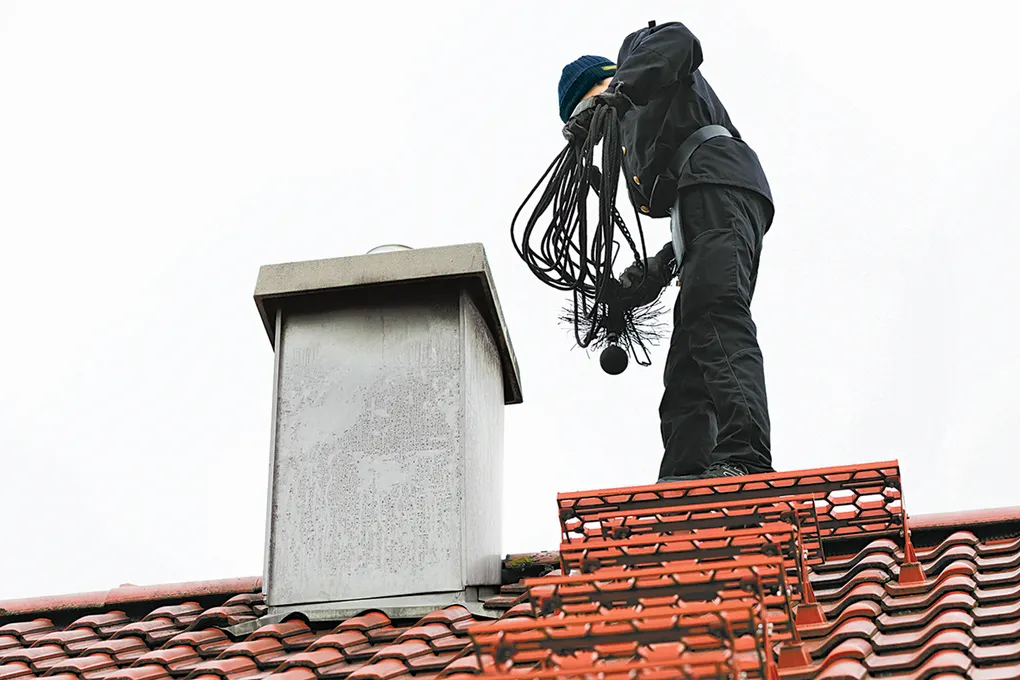
The standard is condition-driven, not calendar-driven: NFPA 211 ties cleaning to a measured 1/8" of creosote accumulation, and a Level 1 inspection is the way we confirm you've reached it. For a wood-burning fireplace in regular use that typically lands at once per heating season — but we measure the buildup and tell you what the flue actually shows rather than assuming.
Yes — and verifiably so. Our inspectors hold current CSIA (Chimney Safety Institute of America) certifications you can confirm yourself in the CSIA member directory at csia.org, and our fireplace work is handled by NFI specialists. We name the standard we inspect to so you can check the credential behind the report.
Yes. We respond 24/7 (subject to crew availability) to the situations that can't wait for a diagnosis later — an active water leak into the home, an animal trapped in the flue, post-fire hazards, and storm damage. We make the system safe first, then document the cause; same-day in most cases.
Always — and with the evidence attached. Before any work starts you receive a written quote backed by photos of exactly what we found and why it needs attention. Final pricing follows the documented condition of the chimney and anything the inspection turns up, not a number guessed before we've looked.
Flue Watch is our annual maintenance plan at $19.99/month ($240/year): a documented Level 1 inspection and sweep every year ($248 value), priority scheduling, 10% off all repairs, and emergency-response priority. It's the way to keep a year-over-year record of your system's condition. Cancel anytime, no contract.
Last reviewed:
Other services in the Removal & Decommission category.
Free written quote. Same-week scheduling. 24/7 emergency response when you need it.
Active leak, animal in flue, post-fire damage, or smoke event? Real humans on the line 7 AM to 12 AM every day — replies in under 2 minutes. Tech dispatch within 2 hours during business hours, subject to crew availability after-hours.
Emergency line