
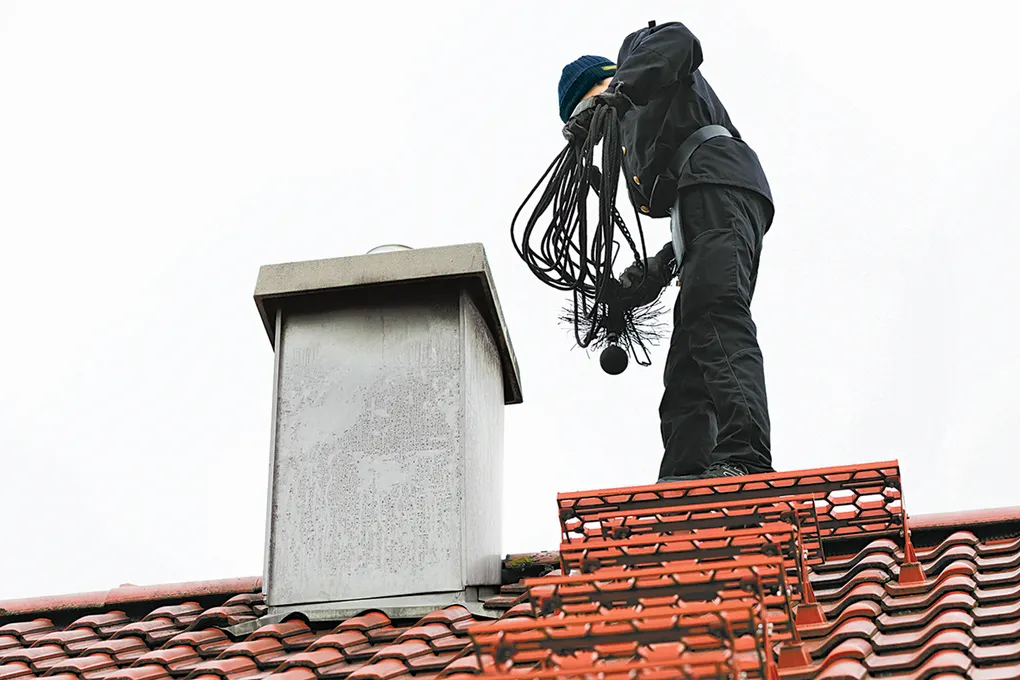
Chimney Cap
Flue termination measured, then a stainless or copper cap fitted to NFPA 211.
Learn moreElectric units carry no combustion hazard, so the safety check shifts to the electrical: we verify the circuit can carry the unit's load before installing a plug-in or hardwired model — wall-mount, insert into an existing firebox, or freestanding. Framing is squared, trim finished clean, and any hardwired connection made to electrical code. The unit is cycled and the load confirmed on completion, so the install is verified to the electrical standard, not just plugged in.
Prices shown are starting estimates and may change with the condition, access, and scope we find on site. Only a written quote from an on-site visit is a price we commit to.
An electric fireplace is the simplest appliance Texas Chimney Experts installs and the easiest to install badly. Because there's no flue to flash and no gas line to leak-test, people treat it as plug-and-go decor — but a recessed linear unit lives inside finished framing, pulls real amperage on its heater, and telegraphs every out-of-square cut in the wall around it. We approach a new electric install with the same finish discipline we bring to a gas linear centerpiece: a true recess, the right circuit, and a face that disappears into the wall. As a national premium brand, that standard travels to every metro we serve.
The install begins at the wall and the panel, not the box the fireplace shipped in. The rough opening is framed squared and plumb to the unit's exact dimensions, the manufacturer's intake and exhaust clearances held so the heater's thermal cut-off never nuisance-trips, and — for any heater-rated model over about 1,500 W — a dedicated 120 V circuit run or coordinated rather than tapping a shared outlet that would brown out the room. Plug-in models land on a properly rated receptacle placed inside the cavity; hardwired models get a code-compliant whip and junction box. Unlike electric-fireplace-repair, which starts only after a working unit fails with the framing and power already in place, this service creates that opening, circuit, and mounting from scratch.
The full range of new units is set here: wall-mount and recessed linear LED fireboxes as decor heaters, plug-in inserts that retrofit a dead masonry firebox with zero venting, water-vapor 3D-flame fireboxes framed into a feature wall or surround, and outdoor patio-rated units in weatherproof housings for covered porches and three-season rooms. Converting a non-working wood firebox to maintenance-free warmth usually points to a plug-in insert as the cleanest path — the firebox is dimensioned, a safe power source confirmed to reach it, and the unit trimmed so it reads intentional rather than improvised.
Because nothing combusts, the safety review on a new install is electrical and clearance-based, and it's never skipped. The circuit is sized to the rated heater load, the intake and outlet clearances verified against the listing, and the built-in recess confirmed not to be trapping heat against combustible studs or choking the unit's own warm-air return. Installed correctly, an electric fireplace is genuinely one of the lowest-maintenance heat sources a home can own — and most of the failures a repair tech later sees trace straight back to a clearance or circuit shortcut taken on day one.
What a careful installer is paid for is the part no one sees once the trim goes on: the squared cavity, the dedicated home-run circuit, the level set, and the clean reveal where glass meets drywall. The cheapest fireplace in the catalog gets the same care as the most expensive linear unit, because in a finished room there's no such thing as a fireplace that only sort of looks built-in.
The job closes by commissioning the new unit with you — cycling the heater and the flame effect independently, pairing the remote or app, and confirming the circuit holds under load — so the first run isn't a question mark. You're handed a fireplace that was installed once, correctly, rather than one you'll be calling someone back to fix.
At Texas Chimney Experts, a electric fireplace installation is never guesswork. We scope every job from a graded, photographed inspection first — the NFPA 211 level the evidence calls for — so the work is matched to what your flue and masonry actually need, with the report to prove it. The documented inspection is the record the electric fireplace installation is built on.
Chimney inspectionA electric fireplace installation isn't a matter of opinion — it's held to published national standards. Texas Chimney builds every job to the named codes below and documents it, so the work is provably right for an inspector, an insurer, or a future buyer. These are the universal standards; your city's permit and inspection requirements are confirmed with the local authority before we pull the job.
UL 2021 is the standard fixed and insert electric heaters are evaluated to, and the unit's listing plus the manufacturer instructions govern our install: rough-opening size, intake and exhaust clearances, and recess depth are all read off that listing, never guessed.
Following general NEC continuous-load practice, any heater-rated unit that draws more than 50% of a 15- or 20-amp circuit gets its own dedicated branch circuit; sharing the run with other outlets is what trips breakers and overheats wiring.
The manufacturer's listed minimums set the mantel, trim, and framing clearances above and beside the unit, and any built-in recess is framed so heater air cannot stagnate against combustible studs.
Codes cited are the established national standards (NFPA, UL, IRC) that govern this service. The adopted code edition, permit, and inspection requirements vary by city —Texas Chimney verifies them with your local authority having jurisdiction on every job.
Choose the unit and verify the panel can support a dedicated circuit for it.
Frame the squared recess to match the unit's dimensions and required clearances.
Pull the dedicated circuit or install the rated receptacle or whip.
Mount it level, finish the reveal, and walk you through the heater and flame.
We've worked on 1,000+ DFW homes over 10+ years. Every job — small sweep or full rebuild — runs the same way: certified technicians, written quotes, photo reports, warranty in writing.
Squared framing and a true recess, not a stuck-on box
Dedicated, code-compliant circuit sized to the heater load
Turns a dead wood firebox into ventless electric heat
A tidy trim reveal and full commissioning on a factory-new unit
Family-owned, CSIA-certified, NFPA 211–compliant. We're the team you call when you want it done right the first time — no rotating subcontractors, no upsell pressure, no surprises. Same techs, same trucks, same standard.
The standard is condition-driven, not calendar-driven: NFPA 211 ties cleaning to a measured 1/8" of creosote accumulation, and a Level 1 inspection is the way we confirm you've reached it. For a wood-burning fireplace in regular use that typically lands at once per heating season — but we measure the buildup and tell you what the flue actually shows rather than assuming.
Yes — and verifiably so. Our inspectors hold current CSIA (Chimney Safety Institute of America) certifications you can confirm yourself in the CSIA member directory at csia.org, and our fireplace work is handled by NFI specialists. We name the standard we inspect to so you can check the credential behind the report.
Yes. We respond 24/7 (subject to crew availability) to the situations that can't wait for a diagnosis later — an active water leak into the home, an animal trapped in the flue, post-fire hazards, and storm damage. We make the system safe first, then document the cause; same-day in most cases.
Always — and with the evidence attached. Before any work starts you receive a written quote backed by photos of exactly what we found and why it needs attention. Final pricing follows the documented condition of the chimney and anything the inspection turns up, not a number guessed before we've looked.
Flue Watch is our annual maintenance plan at $19.99/month ($240/year): a documented Level 1 inspection and sweep every year ($248 value), priority scheduling, 10% off all repairs, and emergency-response priority. It's the way to keep a year-over-year record of your system's condition. Cancel anytime, no contract.
Last reviewed:
Other services in the Installation category.
Free written quote. Same-week scheduling. 24/7 emergency response when you need it.
Active leak, animal in flue, post-fire damage, or smoke event? Real humans on the line 7 AM to 12 AM every day — replies in under 2 minutes. Tech dispatch within 2 hours during business hours, subject to crew availability after-hours.
Emergency line