
Chimney Sweep
Creosote graded to NFPA 211 Stage 1–3, then swept clean and documented with photos.
Learn moreThe smoke chamber above the damper is the single most common code defect we document in older DFW homes — open mortar joints and exposed corbeled brick that disrupt draft and collect creosote. We photograph the failed surface on inspection, then re-parge it smooth to the NFPA 211 requirement, which restores draft and slows deposit buildup. The corrected chamber is photographed against the standard so the fix is on record, not just reported.
Prices shown are starting estimates and may change with the condition, access, and scope we find on site. Only a written quote from an on-site visit is a price we commit to.
Corbeled brick funnel above the firebox that gathers smoke into the flue.
Drag the model to rotate — see exactly where this component lives in your chimney.
Restoration is for the chamber that's failing on multiple fronts but not gone. A Level 2 inspection has flagged it — heavy creosote in the corbel steps, cracked and missing parge, open joints, light surface erosion, a barrier you can no longer call fire-safe — yet the masonry is still standing and in plane. That combination is its own service tier: too many defects for a single patch, not collapsed enough to demolish. Texas Chimney Experts handles it as one coordinated program rather than a string of separate visits, because addressing these problems together — in the right order — is what gets a failed chamber back to a passing, certifiable state. How this differs from smoke-chamber-repair: a repair targets one defect on an otherwise sound surface; restoration bundles the full clean-repair-parge-seal-certify sequence on a chamber carrying several at once. And how it differs from smoke-chamber-rebuild: a rebuild reconstructs collapsed or mis-shaped masonry, while restoration renews a chamber whose structure is intact.
The order is deliberate because order is what makes the certification hold. Cleaning comes first — creosote pulled out of the corbel steps and off the walls down to sound, bondable masonry, so anything applied afterward actually adheres. Repair follows: open and spalled joints pointed up, shallow voids filled, each flagged surface defect addressed individually. Only on that clean, repaired substrate do we parge, troweling or spraying a smooth uniform refractory coat over the stepped brick to a continuous, creosote-shedding profile. Every step is load-bearing on the one before it, which is precisely why a bundled program beats piecemeal visits — parge laid over creosote peels, and a patch over an uncleaned wall won't bond.
Then the chamber is closed out the way an inspector reads it. The fire-safe barrier between firebox and flue — the breach that most often drives a Level 2 failure — is re-sealed and verified, confirming heat and creosote no longer have a path into the surrounding masonry. The chamber is re-documented against NFPA 211: smooth parged profile, sealed joints, intact corbel, so the standard that failed it now passes it. The deliverable isn't a better-looking chamber; it's one that clears the inspection that flagged it, with the photo-and-report record proving the pass. That re-certification is the line between a restoration and a cosmetic resurfacing.
The boundary is structural, and we hold it honestly. Restoration is the correct tier only while the corbel stands intact and in plane — displaced courses, a slumped smoke shelf, or a chamber gone out of shape is a rebuild, and we name it rather than package demolition-grade damage as a restoration. Applied to the right chamber — sound bones, multiple surface and seal defects — it returns draft, fire-safety, and a clean certification in one program at a fraction of a rebuild's cost and cure time. The same clean-repair-parge-seal-certify discipline and the same NFPA-211 bar govern this work across our national network, so a chamber restored in any market we serve is brought back to the identical passing standard.
At Texas Chimney Experts, a smoke chamber restoration is never guesswork. We scope every job from a graded, photographed inspection first — the NFPA 211 level the evidence calls for — so the work is matched to what your flue and masonry actually need, with the report to prove it. The documented inspection is the record the smoke chamber restoration is built on.
Chimney inspectionA smoke chamber restoration isn't a matter of opinion — it's held to published national standards. Texas Chimney builds every job to the named codes below and documents it, so the work is provably right for an inspector, an insurer, or a future buyer. These are the universal standards; your city's permit and inspection requirements are confirmed with the local authority before we pull the job.
Parged-smooth smoke-chamber walls and an intact firebox-to-flue barrier are what NFPA 211 requires. Our restoration brings a failed chamber back to that standard and documents the pass; the certification on record, above and beyond the smooth surface, is the true deliverable.
First the corbel steps and walls are stripped of creosote and loose material; only then does patching or parging begin. Refractory material laid over deposits will not bond, so the cleaning step is what allows everything after it to hold.
Because the chamber sits directly above the firebox in the heat path, ordinary gray mortar has no place in it. We point the joints and skim the walls with heat-rated refractory material instead.
An open path from firebox to flue or into adjacent masonry is the defect that most often fails a Level 2 inspection. We seal that breach, verify the seal, and restore the heat-and-ember barrier the inspection standard demands.
Codes cited are the established national standards (NFPA, UL, IRC) that govern this service. The adopted code edition, permit, and inspection requirements vary by city —Texas Chimney verifies them with your local authority having jurisdiction on every job.
Remove the creosote down to a clean, sound substrate the new coat can actually bond to.
Repoint the open and spalled joints and treat every surface defect the inspection flagged.
Trowel on a smooth refractory skim and re-establish the firebox-to-flue barrier.
Grade the chamber again to NFPA 211 and log the result with photos and a written report.
We've worked on 1,000+ DFW homes over 10+ years. Every job — small sweep or full rebuild — runs the same way: certified technicians, written quotes, photo reports, warranty in writing.
The packaged repair for a chamber that failed a Level 2 yet has not collapsed
Clean, repair, parge, seal, certify, carried out in the order that actually holds
Closes with an NFPA 211 re-certification rather than just a resurfaced wall
Straight about where restoration ends and rebuild begins, backed by a photo-and-report record
Family-owned, CSIA-certified, NFPA 211–compliant. We're the team you call when you want it done right the first time — no rotating subcontractors, no upsell pressure, no surprises. Same techs, same trucks, same standard.
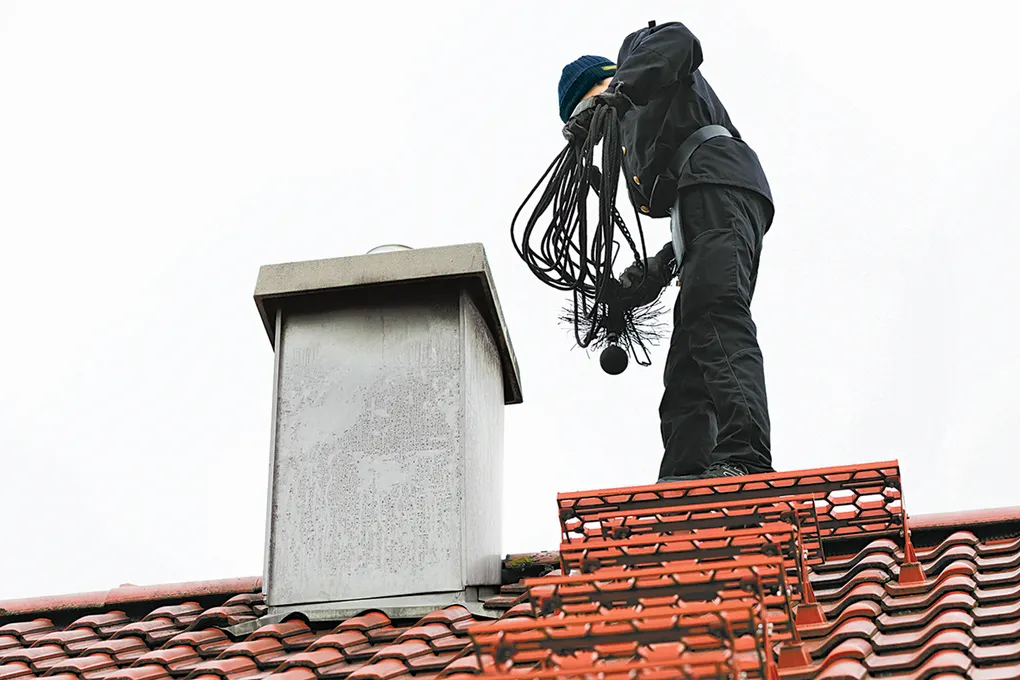
The standard is condition-driven, not calendar-driven: NFPA 211 ties cleaning to a measured 1/8" of creosote accumulation, and a Level 1 inspection is the way we confirm you've reached it. For a wood-burning fireplace in regular use that typically lands at once per heating season — but we measure the buildup and tell you what the flue actually shows rather than assuming.
Yes — and verifiably so. Our inspectors hold current CSIA (Chimney Safety Institute of America) certifications you can confirm yourself in the CSIA member directory at csia.org, and our fireplace work is handled by NFI specialists. We name the standard we inspect to so you can check the credential behind the report.
Yes. We respond 24/7 (subject to crew availability) to the situations that can't wait for a diagnosis later — an active water leak into the home, an animal trapped in the flue, post-fire hazards, and storm damage. We make the system safe first, then document the cause; same-day in most cases.
Always — and with the evidence attached. Before any work starts you receive a written quote backed by photos of exactly what we found and why it needs attention. Final pricing follows the documented condition of the chimney and anything the inspection turns up, not a number guessed before we've looked.
Flue Watch is our annual maintenance plan at $19.99/month ($240/year): a documented Level 1 inspection and sweep every year ($248 value), priority scheduling, 10% off all repairs, and emergency-response priority. It's the way to keep a year-over-year record of your system's condition. Cancel anytime, no contract.
Last reviewed:
Other services in the Cleaning category.
Free written quote. Same-week scheduling. 24/7 emergency response when you need it.
Active leak, animal in flue, post-fire damage, or smoke event? Real humans on the line 7 AM to 12 AM every day — replies in under 2 minutes. Tech dispatch within 2 hours during business hours, subject to crew availability after-hours.
Emergency line