
Electric Fireplace Repair
Diagnosed to the failed component, repaired, wiring safety-checked, then full cycle-tested.
Learn moreRefractory panel cracks are judged by a measured threshold, not by eye: hairline cracks under 1/16" can be repaired safely with high-temp refractory mortar, while anything wider has lost its rated heat barrier and needs replacement. We measure each crack, show you which side of the line it falls on, and repair only what genuinely qualifies. The measurement is the standard, and it's what keeps the call honest — no panel repaired that should be replaced.
Prices shown are starting estimates and may change with the condition, access, and scope we find on site. Only a written quote from an on-site visit is a price we commit to.
On a factory-built (prefab) fireplace the refractory panels lining the firebox are a heat shield, not decoration — they keep the fire's heat off the metal shell and the framing behind it. So a cracked panel is graded, not eyeballed: the manufacturer sets a crack-width threshold (commonly about 1/16"), and where the panel is otherwise sound and the cracking measures under it, a repair restores the continuous barrier. Texas Chimney Experts makes that call against the spec rather than defaulting to the bigger job — but we won't seal a panel measuring past the limit just to save the replacement cost, because that's a documented safety risk, not an economy.
Identification comes first. Prefab fireboxes are model-specific, and the panels, fasteners, and tolerances vary by manufacturer, so the exact make and model is confirmed before anything is decided. That matters because the manufacturer's own specification governs whether a given crack is repairable or the panel has to be replaced — and the spec is followed, not guessed.
Where the panel measures genuinely sound and the cracking is minor, it's sealed with manufacturer-approved refractory material rated for the firebox's operating temperatures. The aim is to restore the continuous heat barrier the panel is supposed to provide and keep the unit's fire rating intact. A structurally failing panel is never sealed just to save the replacement cost — a cosmetic fix on a compromised panel is a false economy and a documented safety risk.
That repair-or-replace judgment is exactly where the standard earns its keep. You're told plainly which your firebox needs and why, the panel condition is photo-documented, and the firebox is confirmed safe to burn before we leave. It's the same honest assessment our technicians apply nationwide — repair when it's truly sound, replace when it isn't, and never the other way around.
At Texas Chimney Experts, a refractory panel repair is never guesswork. We scope every job from a graded, photographed inspection first — the NFPA 211 level the evidence calls for — so the work is matched to what your flue and masonry actually need, with the report to prove it. The documented inspection is the record the refractory panel repair is built on.
Chimney inspectionA refractory panel repair isn't a matter of opinion — it's held to published national standards. Texas Chimney builds every job to the named codes below and documents it, so the work is provably right for an inspector, an insurer, or a future buyer. These are the universal standards; your city's permit and inspection requirements are confirmed with the local authority before we pull the job.
Industry practice, echoing NFPA 211's firebox-crack standard, puts the threshold at 1/16 inch: past that width a refractory panel can no longer shield the metal shell and framing, and the correct call is replacement, not sealing.
If a panel is otherwise sound, minor cracking can be sealed, but only with refractory material rated for the firebox temperature and carrying the unit manufacturer's approval.
Our repair work protects the factory-built unit's safety listing; seal a panel outside the manufacturer's spec and you void the very listing that makes that firebox safe to burn.
Codes cited are the established national standards (NFPA, UL, IRC) that govern this service. The adopted code edition, permit, and inspection requirements vary by city —Texas Chimney verifies them with your local authority having jurisdiction on every job.
Confirm the prefab make/model and panel type.
Determine if cracks are repairable per spec.
Seal with manufacturer-approved refractory material.
Confirm the firebox is safe to burn.
We've worked on 1,000+ DFW homes over 10+ years. Every job — small sweep or full rebuild — runs the same way: certified technicians, written quotes, photo reports, warranty in writing.
Manufacturer-matched refractory materials
Knows prefab firebox makes/models
Repair when sound; replace when not — honestly
Maintains the unit's fire rating
Family-owned, CSIA-certified, NFPA 211–compliant. We're the team you call when you want it done right the first time — no rotating subcontractors, no upsell pressure, no surprises. Same techs, same trucks, same standard.
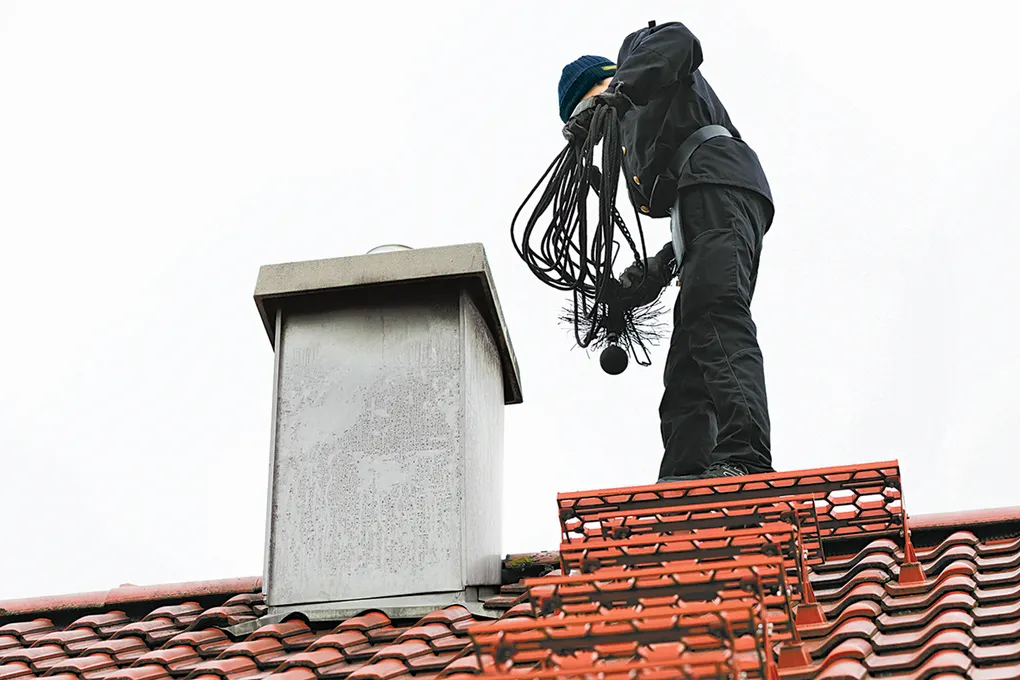
The standard is condition-driven, not calendar-driven: NFPA 211 ties cleaning to a measured 1/8" of creosote accumulation, and a Level 1 inspection is the way we confirm you've reached it. For a wood-burning fireplace in regular use that typically lands at once per heating season — but we measure the buildup and tell you what the flue actually shows rather than assuming.
Yes — and verifiably so. Our inspectors hold current CSIA (Chimney Safety Institute of America) certifications you can confirm yourself in the CSIA member directory at csia.org, and our fireplace work is handled by NFI specialists. We name the standard we inspect to so you can check the credential behind the report.
Yes. We respond 24/7 (subject to crew availability) to the situations that can't wait for a diagnosis later — an active water leak into the home, an animal trapped in the flue, post-fire hazards, and storm damage. We make the system safe first, then document the cause; same-day in most cases.
Always — and with the evidence attached. Before any work starts you receive a written quote backed by photos of exactly what we found and why it needs attention. Final pricing follows the documented condition of the chimney and anything the inspection turns up, not a number guessed before we've looked.
Flue Watch is our annual maintenance plan at $19.99/month ($240/year): a documented Level 1 inspection and sweep every year ($248 value), priority scheduling, 10% off all repairs, and emergency-response priority. It's the way to keep a year-over-year record of your system's condition. Cancel anytime, no contract.
Last reviewed:
Other services in the Gas & Fireplace category.
Free written quote. Same-week scheduling. 24/7 emergency response when you need it.
Active leak, animal in flue, post-fire damage, or smoke event? Real humans on the line 7 AM to 12 AM every day — replies in under 2 minutes. Tech dispatch within 2 hours during business hours, subject to crew availability after-hours.
Emergency line