
Custom Masonry Fireplace Build (Rumford)
From-scratch masonry fireplace — including Rumford — engineered to draft, permitted and inspected.
Learn moreA fire pit looks simple, which is exactly why so many are built dangerously. Gas pits get a listed stainless burner, an air mixer, and — the critical safety device — flame-sensing ignition that shuts the gas if the flame goes out, plus pan drainage so they light cleanly after rain. The supply is set to correct manifold pressure and leak-tested before use. Wood pits get a heavy-gauge ring inside a heat-rated, draining surround that won't spall in a season. The safety interlock and the pressure test are the checks the gas build has to pass.
Prices shown are starting estimates and may change with the condition, access, and scope we find on site. Only a written quote from an on-site visit is a price we commit to.
A fire pit looks simple, which is exactly why so many are built dangerously or frustratingly. A gas pit with the wrong burner and no flame sense can pool raw gas; a wood pit with the wrong surround spalls and cracks; either one done without drainage becomes a soggy, hard-to-light nuisance. Fire pits — gas and wood — are built with the listed components, gas discipline, and masonry craft that make them light reliably and stay safe.
For a gas fire pit, the safety is entirely in the parts and the install. A stainless burner is sized to the pit, an air mixer fitted to deliver clean LP or NG flame without whistle, and — critically — a flame-sensing ignition installed so the gas can't keep flowing if the flame goes out. The supply is trenched, run, and key-valved, and the LP regulator or NG connection set to the correct manifold pressure so the burner runs as designed. Drainage weeps are drilled in the burner pan and the emitter ports cleared so the pit lights cleanly after rain, and fire-glass or lava-rock media is sized and bedded so the ports stay clear and the flame spreads evenly.
For a wood fire pit, the craft is in containment and durability. A heavy-gauge steel ring or bowl is set inside a stacked-block or paver surround built to take the heat without spalling, on a base that drains. A wood pit built with the wrong block cracks in a season from thermal shock; built right, it's a permanent feature. A spark screen is fitted to contain embers where the setting or code calls for it.
Either way, the build is engineered for the outdoors and for the way fire pits actually get used — freeze-thaw-rated, heat-appropriate materials, the surround detailed to your hardscape, and any electronic or smart-control ignition wired so on/off and flame height work as promised. Where a pit ties into an outdoor kitchen or a propane enclosure with a timer-shutoff, that's coordinated. The hardscape is protected, the gas and ignition set correctly, the light-off tested, and the site left clean.
At Texas Chimney Experts, a gas & wood fire-pit installation is never guesswork. We scope every job from a graded, photographed inspection first — the NFPA 211 level the evidence calls for — so the work is matched to what your flue and masonry actually need, with the report to prove it. The documented inspection is the record the gas & wood fire-pit installation is built on.
Chimney inspectionA gas & wood fire-pit installation isn't a matter of opinion — it's held to published national standards. Texas Chimney builds every job to the named codes below and documents it, so the work is provably right for an inspector, an insurer, or a future buyer. These are the universal standards; your city's permit and inspection requirements are confirmed with the local authority before we pull the job.
Flame-sensing ignition is the safeguard on a gas fire pit: lose the flame and the sensor stops the gas supply, so raw gas never gets the chance to pool in the pan.
We verify the LP regulator or NG connection against the burner's specified manifold pressure, because that number is what makes it run as designed; a conversion set by feel gives you a weak or sooty flame.
Where the setting or local ember code calls for one, wood pits get a spark screen fitted so embers stay contained.
Codes cited are the established national standards (NFPA, UL, IRC) that govern this service. The adopted code edition, permit, and inspection requirements vary by city —Texas Chimney verifies them with your local authority having jurisdiction on every job.
Size the pit and prep a draining base detailed into your hardscape.
Installation covers the listed burner, air mixer, and flame-sensing ignition; the supply line is trenched and key-valved; pressure is set.
Drill the pan weeps, clear the emitter ports, and bed sized fire-glass or lava-rock evenly.
For wood, set a heavy-gauge ring inside a heat-rated surround, run the light-off test, and clean the site down.
We've worked on 1,000+ DFW homes over 10+ years. Every job — small sweep or full rebuild — runs the same way: certified technicians, written quotes, photo reports, warranty in writing.
Flame-sensing ignition that cuts the gas the moment the flame drops out
Gas dialed to the right LP/NG manifold pressure, with the key valve and burner sized to match
Weep drains in the burner pan and cleared ports, so it lights clean after rain
Wood pits set in heat-rated, draining surrounds that hold up past a single season without spalling
Family-owned, CSIA-certified, NFPA 211–compliant. We're the team you call when you want it done right the first time — no rotating subcontractors, no upsell pressure, no surprises. Same techs, same trucks, same standard.
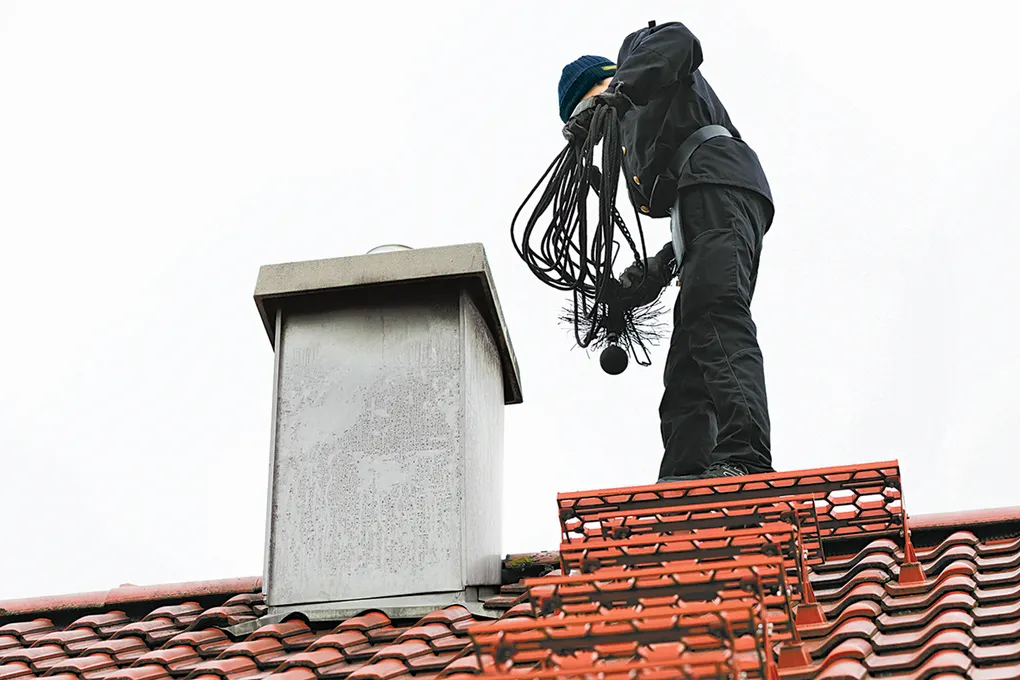
The standard is condition-driven, not calendar-driven: NFPA 211 ties cleaning to a measured 1/8" of creosote accumulation, and a Level 1 inspection is the way we confirm you've reached it. For a wood-burning fireplace in regular use that typically lands at once per heating season — but we measure the buildup and tell you what the flue actually shows rather than assuming.
Yes — and verifiably so. Our inspectors hold current CSIA (Chimney Safety Institute of America) certifications you can confirm yourself in the CSIA member directory at csia.org, and our fireplace work is handled by NFI specialists. We name the standard we inspect to so you can check the credential behind the report.
Yes. We respond 24/7 (subject to crew availability) to the situations that can't wait for a diagnosis later — an active water leak into the home, an animal trapped in the flue, post-fire hazards, and storm damage. We make the system safe first, then document the cause; same-day in most cases.
Always — and with the evidence attached. Before any work starts you receive a written quote backed by photos of exactly what we found and why it needs attention. Final pricing follows the documented condition of the chimney and anything the inspection turns up, not a number guessed before we've looked.
Flue Watch is our annual maintenance plan at $19.99/month ($240/year): a documented Level 1 inspection and sweep every year ($248 value), priority scheduling, 10% off all repairs, and emergency-response priority. It's the way to keep a year-over-year record of your system's condition. Cancel anytime, no contract.
Last reviewed:
Other services in the New Construction & Outdoor category.
Free written quote. Same-week scheduling. 24/7 emergency response when you need it.
Active leak, animal in flue, post-fire damage, or smoke event? Real humans on the line 7 AM to 12 AM every day — replies in under 2 minutes. Tech dispatch within 2 hours during business hours, subject to crew availability after-hours.
Emergency line