Chimney Liner
CCTV-confirmed liner failure relined with a UL-1777 stainless system, then re-scanned.
Learn moreSmoke spilling into the room is a draft failure with several possible causes, so we measure before we prescribe: flue sizing against the opening, depressurization from competing exhaust, inadequate stack height, or cold-flue reversal. The reading points to the fix — extension cap, smoke guard, top-sealing damper, or a fresh-air kit — and we re-test the draft after the correction to confirm the flue actually pulls. A measured before-and-after is the proof the spillage is solved, not paused.
Prices shown are starting estimates and may change with the condition, access, and scope we find on site. Only a written quote from an on-site visit is a price we commit to.
A modern home can be too tight for its own fireplace. When exhaust fans, the dryer, and the HVAC pull a sealed house negative, the fireplace and other combustion appliances can't get the air they need — so they draft poorly, spill smoke, or backdraft combustion gases into the living space. Texas Chimney Experts diagnose and correct these combustion-air and makeup-air problems at the level of the whole house, not just the firebox, with the measurement discipline that finds the real cause. Premium here is an engineered fix for an invisible, sometimes dangerous, problem.
The symptom presents as a chimney problem but usually isn't. A fireplace that smokes only when the kitchen hood runs, a flue that drafts fine on a calm day but spills when the house is buttoned up, a basement appliance that backdrafts in winter — those are makeup-air faults. The house is depressurized below what the flue can overcome, and air (and combustion gas) flows the wrong way. Diagnosing it means putting the house into worst-case depressurization — doors closed, every exhaust device running — and measuring whether the combustion appliance zone (CAZ) still drafts or spills. Skip that test and you're guessing, and guessing about backdrafting combustion gas is dangerous.
The correction is matched to the measured finding. A starved fireplace gets a dedicated outside-combustion-air (OCA) intake run to the firebox so it draws makeup air from outdoors instead of the room — designed in, not bolted on. A whole-house depressurization gets a passive makeup-air opening, or, where exhaust loads are heavy, a motorized makeup-air damper interlocked to the range hood or dryer so the house can't pull the combustion zone negative when those run. Return-duct leakage depressurizing a zone gets sealed. The right fix is the one that addresses how your specific house loses its balance.
A particularly common version is the orphaned water heater. A high-efficiency furnace installed on sidewall PVC venting often leaves a lone water heater venting into an oversized common flue it can no longer keep warm — so that flue stops drafting and the water heater spills CO. The flue is re-lined and resized to the single appliance so it drafts safely. That's a CAZ failure hiding as a venting problem, and exactly the kind of cause-level diagnosis the measurement catches.
The verification standard mirrors the CO work: after the correction, the worst-case depressurization test is re-run to confirm the CAZ now drafts and doesn't spill, and the result documented. A makeup-air fix not re-tested under worst-case conditions is unverified — and when the failure mode is combustion-gas spillage, unverified is unacceptable. The measured before-and-after is the deliverable.
TCE performs combustion-air and CAZ correction across the continental US and the four Texas metros to one instrument-based standard. Home tightness, climate, and exhaust loads vary widely; the diagnostic and verification discipline stays constant. The testing is documented so the result is verifiable for you and your insurer.
This work protects health and makes the fireplace actually usable — no more smoke when the hood runs, no winter backdraft, no orphaned appliance spilling CO. Fireplaces or appliances that draft inconsistently, or any unexplained spillage, point to a makeup-air problem worth measuring.
At Texas Chimney Experts, a downdraft repair is never guesswork. We scope every job from a graded, photographed inspection first — the NFPA 211 level the evidence calls for — so the work is matched to what your flue and masonry actually need, with the report to prove it. The documented inspection is the record the downdraft repair is built on.
Chimney inspectionA downdraft repair isn't a matter of opinion — it's held to published national standards. Texas Chimney builds every job to the named codes below and documents it, so the work is provably right for an inspector, an insurer, or a future buyer. These are the universal standards; your city's permit and inspection requirements are confirmed with the local authority before we pull the job.
Poor draft is the predictable result of a flue that fails to clear the roofline. Termination belongs ≥3 ft above the roof penetration and ≥2 ft above anything within 10 ft, so the fix for a short flue is a height extension rather than just a cap.
Spillage at a gas appliance driven by downdraft is corrected by re-sizing the vent to the NFPA 54 Category I tables. In most cases that means downsizing an oversized common flue so the orphaned appliance can keep it warm enough to draft.
Flue size alone can be the draft problem, whether the flue runs oversized or undersized. Correct sizing comes out of the NFPA 211 venting tables, worked for the specific appliance and chimney height.
Codes cited are the established national standards (NFPA, UL, IRC) that govern this service. The adopted code edition, permit, and inspection requirements vary by city —Texas Chimney verifies them with your local authority having jurisdiction on every job.
Test draft, flue height, sizing, and house pressure.
Match the fix to the cause — cap, top, or sizing.
Fit the corrective solution.
Confirm proper draft with a live test.
We've worked on 1,000+ DFW homes over 10+ years. Every job — small sweep or full rebuild — runs the same way: certified technicians, written quotes, photo reports, warranty in writing.
Diagnose the actual cause, not a generic 'cap it'
Solutions from caps to draft-inducing tops
Address house-pressure and sizing factors
Verified draft after the fix
Family-owned, CSIA-certified, NFPA 211–compliant. We're the team you call when you want it done right the first time — no rotating subcontractors, no upsell pressure, no surprises. Same techs, same trucks, same standard.
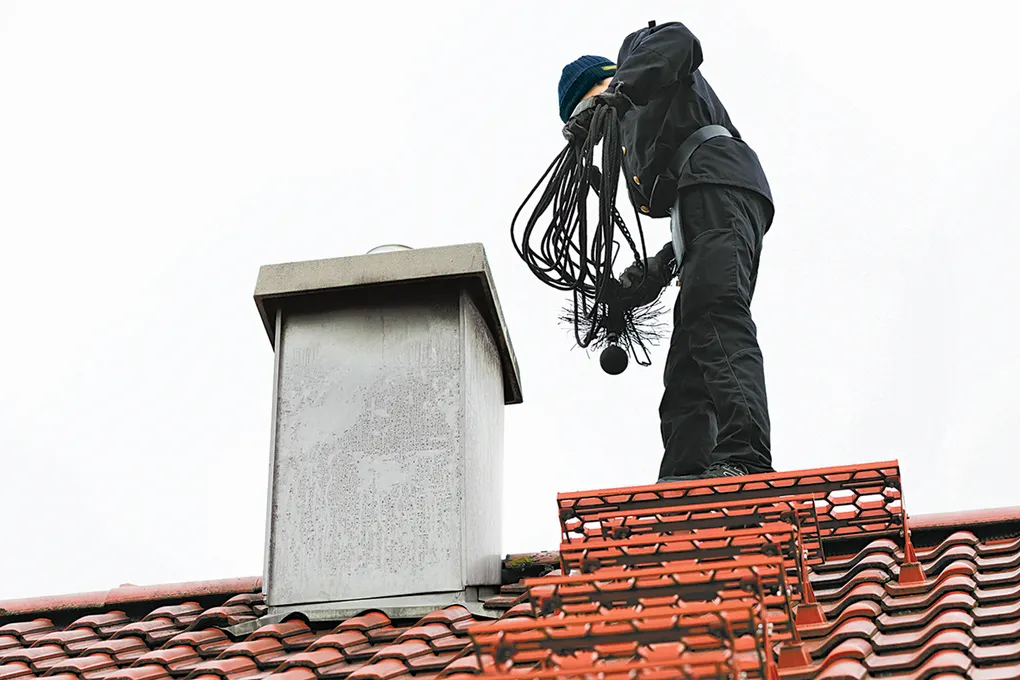
The standard is condition-driven, not calendar-driven: NFPA 211 ties cleaning to a measured 1/8" of creosote accumulation, and a Level 1 inspection is the way we confirm you've reached it. For a wood-burning fireplace in regular use that typically lands at once per heating season — but we measure the buildup and tell you what the flue actually shows rather than assuming.
Yes — and verifiably so. Our inspectors hold current CSIA (Chimney Safety Institute of America) certifications you can confirm yourself in the CSIA member directory at csia.org, and our fireplace work is handled by NFI specialists. We name the standard we inspect to so you can check the credential behind the report.
Yes. We respond 24/7 (subject to crew availability) to the situations that can't wait for a diagnosis later — an active water leak into the home, an animal trapped in the flue, post-fire hazards, and storm damage. We make the system safe first, then document the cause; same-day in most cases.
Always — and with the evidence attached. Before any work starts you receive a written quote backed by photos of exactly what we found and why it needs attention. Final pricing follows the documented condition of the chimney and anything the inspection turns up, not a number guessed before we've looked.
Flue Watch is our annual maintenance plan at $19.99/month ($240/year): a documented Level 1 inspection and sweep every year ($248 value), priority scheduling, 10% off all repairs, and emergency-response priority. It's the way to keep a year-over-year record of your system's condition. Cancel anytime, no contract.
Last reviewed:
Other services in the Repair category.
Free written quote. Same-week scheduling. 24/7 emergency response when you need it.
Active leak, animal in flue, post-fire damage, or smoke event? Real humans on the line 7 AM to 12 AM every day — replies in under 2 minutes. Tech dispatch within 2 hours during business hours, subject to crew availability after-hours.
Emergency line