
Chimney Liner
CCTV-confirmed liner failure relined with a UL-1777 stainless system, then re-scanned.
Learn moreRotted chase framing is a clearance and structural hazard — water, nesting, or heat has compromised the wood that surrounds a flue. We open the affected area, document the extent of the rot, and sister or replace the failed members to code with weather-resistant sheathing, holding the flue's listed clearances to combustibles throughout. We also identify and correct the water source that caused it, then verify the repaired framing against the listing before close-up.
Prices shown are starting estimates and may change with the condition, access, and scope we find on site. Only a written quote from an on-site visit is a price we commit to.
On a factory-built or sided chimney the masonry you see is wrapped around a wood chase — studs, sheathing, and a structural cap that carry the flue and tie the assembly to the house — and the repair starts by mapping how much of it has failed. A technician probes the framing to find where rot or char actually stops, because the visible soft spot is rarely the full extent. Texas Chimney Experts treats this as a structural diagnosis, not a cosmetic patch: a chase pulling away from the home, or framing charred by a clearance violation, is a safety finding that has to be measured before it's repaired.
Rot is nearly always a symptom, so cause and damage are addressed together. Water is entering somewhere — failed flashing, a cracked chase cover, a leaking cap, or open trim joints — and replacing rotted studs without closing that path only buys a few seasons before it returns. The technician probes the framing to map how far the rot has traveled, pinpoints the entry, and stabilizes the structure before any compromised member comes out. Then it's cut back to sound wood and rebuilt in treated, code-compliant lumber sized to carry the load it's meant to.
Because the chase is part of the building envelope, the repair isn't done when the framing is back in. The flashing, sheathing, and weather barrier are re-integrated so the wall sheds water as designed, then siding, trim, and cap are coordinated so the chimney is weather-tight and reads as if it was never opened. One crew owns the structure, the leak, and the finish — no chasing a framer, a roofer, and a chimney company to close out one problem.
This holds the same structural-repair standard our craftsmen carry in every market on our national map: find the water, prove the extent, rebuild to code, and weatherproof so the rot can't return. The condition is photo-documented before and after, so you hold a clear record of what failed, what was replaced, and why the chimney is once again solidly tied to the home.
At Texas Chimney Experts, a chimney framing repair is never guesswork. We scope every job from a graded, photographed inspection first — the NFPA 211 level the evidence calls for — so the work is matched to what your flue and masonry actually need, with the report to prove it. The documented inspection is the record the chimney framing repair is built on.
Chimney inspectionProbe framing for rot extent and find the water entry.
Support the structure before removing damaged members.
Replace rotted framing with treated, code-compliant lumber.
Re-flash and weatherproof to prevent future rot.
We've worked on 1,000+ DFW homes over 10+ years. Every job — small sweep or full rebuild — runs the same way: certified technicians, written quotes, photo reports, warranty in writing.
Structural framing expertise, not just masonry
Fixes the leak source so rot doesn't return
Treated lumber to code
Coordinated siding/flashing restoration
Family-owned, CSIA-certified, NFPA 211–compliant. We're the team you call when you want it done right the first time — no rotating subcontractors, no upsell pressure, no surprises. Same techs, same trucks, same standard.
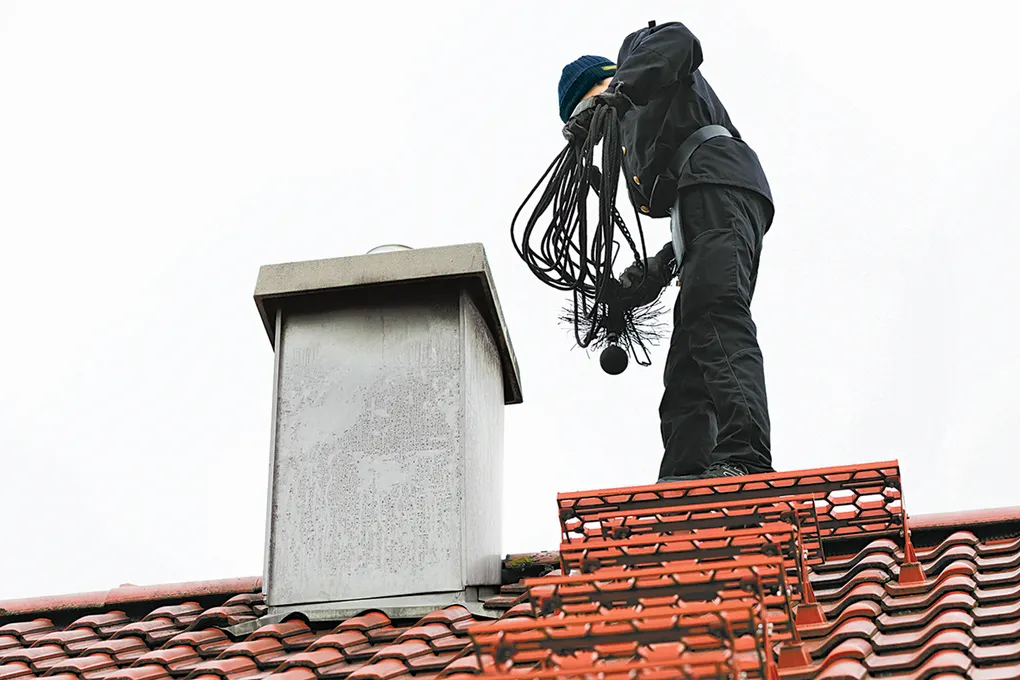
The standard is condition-driven, not calendar-driven: NFPA 211 ties cleaning to a measured 1/8" of creosote accumulation, and a Level 1 inspection is the way we confirm you've reached it. For a wood-burning fireplace in regular use that typically lands at once per heating season — but we measure the buildup and tell you what the flue actually shows rather than assuming.
Yes — and verifiably so. Our inspectors hold current CSIA (Chimney Safety Institute of America) certifications you can confirm yourself in the CSIA member directory at csia.org, and our fireplace work is handled by NFI specialists. We name the standard we inspect to so you can check the credential behind the report.
Yes. We respond 24/7 (subject to crew availability) to the situations that can't wait for a diagnosis later — an active water leak into the home, an animal trapped in the flue, post-fire hazards, and storm damage. We make the system safe first, then document the cause; same-day in most cases.
Always — and with the evidence attached. Before any work starts you receive a written quote backed by photos of exactly what we found and why it needs attention. Final pricing follows the documented condition of the chimney and anything the inspection turns up, not a number guessed before we've looked.
Flue Watch is our annual maintenance plan at $19.99/month ($240/year): a documented Level 1 inspection and sweep every year ($248 value), priority scheduling, 10% off all repairs, and emergency-response priority. It's the way to keep a year-over-year record of your system's condition. Cancel anytime, no contract.
Last reviewed:
Other services in the Repair category.
Free written quote. Same-week scheduling. 24/7 emergency response when you need it.
Active leak, animal in flue, post-fire damage, or smoke event? Real humans on the line 7 AM to 12 AM every day — replies in under 2 minutes. Tech dispatch within 2 hours during business hours, subject to crew availability after-hours.
Emergency line