
Carbon Monoxide Alarm Traced to a Negative-Draft Fireplace
A repeatedly-tripping CO alarm near the hearth was the symptom; the cause was a house out-competing its chimney for air. A safety-first inspection identified negative pressure plus a blocked cap, and targeted corrections restored upward draft and cleared the alarms.
The visual proof.
Drag the slider to compare. Photos taken under matched lighting.
Problem
A 2000s tightly-built home with a low-level carbon monoxide alarm that tripped whenever the fireplace and the kitchen range hood ran together. The homeowner assumed the fireplace was 'broken' and had stopped using it through the cold months — a real safety worry with a young family in the house.
Diagnosis
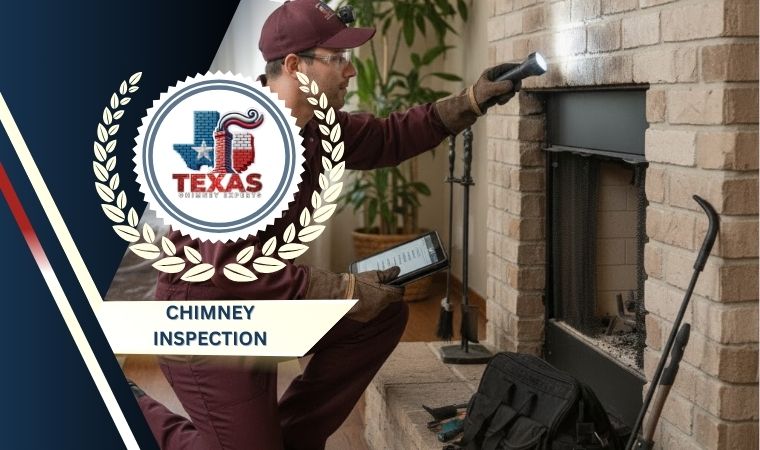
Our safety-first inspection found two compounding issues: the high-CFM range hood was depressurizing the house and reversing the cold flue (a classic negative-pressure spillage), and the chimney cap mesh was packed with debris, choking the available draft. A smoke-pencil test at the firebox confirmed flow was reversing under exhaust load — exactly when the alarm fired.
Solution
- 01Safety-first inspection with smoke-pencil draft and spillage testing
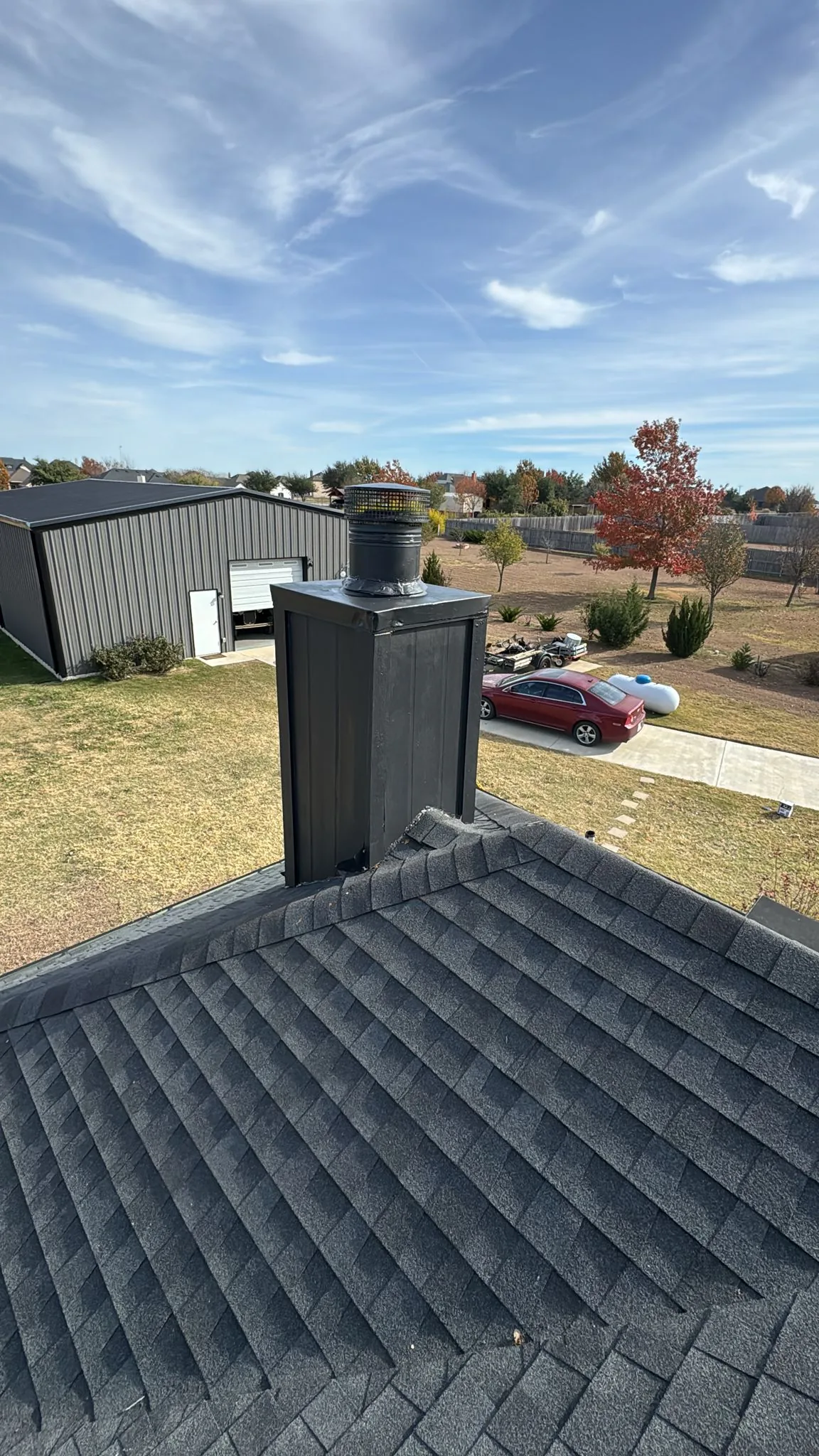
- 02Cleared and re-screened the blocked chimney cap to NFPA 211 mesh spacing
- 03Specified dedicated makeup air so exhaust fans stop starving the flue
- 04Installed a tight-sealing top-mount damper to stop idle cold downdrafts
- 05Verified upward draft under simultaneous range-hood load before sign-off
Outcome
With makeup air and a clear, sealed flue, the fireplace drafted upward even with the range hood running — and the CO alarm stopped tripping. The homeowner got a written explanation of the air-balance cause so the fix made sense, and the family is using the fireplace again with confidence.
Got a similar chimney inspection issue?
Free inspection. Written quote with photos. No pressure. We document every job the same way you see above.
Talk to a CSIA-certified expert today.
Free written quote. Same-week scheduling. 24/7 emergency response when you need it.
24/7 Response
Active leak, animal in flue, post-fire damage, or smoke event? Real humans on the line 7 AM to 12 AM every day — replies in under 2 minutes. Tech dispatch within 2 hours during business hours, subject to crew availability after-hours.
Emergency line